
If you’ve been feeling "off" lately - struggling with stubborn weight around your midsection, crashing every afternoon, or fighting intense sugar cravings - you’ve likely been told it’s just stress, "part of being a woman," or a natural side effect of aging.
But as a clinical nutritionist, I see a different story in the laboratory data. Frequently, these aren't just random symptoms; they are the early warning signs of Silent Insulin Resistance. In this guide, we will break down the biochemistry of insulin, why traditional testing fails women, and how you can identify the "hidden" red flags before they lead to a chronic diagnosis.
The Biochemistry of "Silent" Resistance
Insulin is a hormone produced by the beta cells of your pancreas. Its primary job is to act like a "key" that opens your cells to let in glucose (C6H12O6) for energy.
When you have insulin resistance, your cells stop responding to that key. They become "numb" to insulin’s signal. To compensate, your pancreas pumps out even more insulin to force the glucose into the cells.
The "Silent" Phase: For years, your blood sugar levels may look perfectly normal on a standard medical test because your body is working overtime to keep them stable. But behind the scenes, high circulating insulin levels - a condition known as hyperinsulinemia - are wreaking havoc on your hormones, energy, and fat storage.
The 7 Red Flags: A Deep Dive into Your Symptoms
Because this condition is "silent," we have to look at the physiological signs that manifest in your daily life. If you identify with three or more of the following, your metabolism is likely signaling for help.
1. The "3 PM Wall" (Postprandial Fatigue)
Do you experience a significant energy crash in the afternoon? If you find yourself reaching for a second coffee or a chocolate bar just to make it through the workday, this is a sign of glucose instability. When your cells can't efficiently take up fuel, your brain registers a "low energy" crisis, leading to profound fatigue.
2. The "Apple" Shape & Visceral Fat
Insulin is a storage hormone. When it is chronically high, it specifically signals the body to store fat around the internal organs (visceral fat). This often manifests as weight gain specifically around the upper abdomen, even if your legs and arms remain unchanged.
3. Skin Tags & Acanthosis Nigricans
High levels of insulin can cause skin cells to replicate more rapidly than normal. This leads to small growths called skin tags, usually on the neck, armpits, or groin. Additionally, "Acanthosis Nigricans" - dark, velvety patches of skin in body folds - is a dermatological "smoking gun" for insulin resistance.
4. The "Refractory" Sugar Cravings
These aren't your average cravings. These are intense, urgent needs for carbohydrates that occur shortly after you’ve already eaten. Because your cells aren't "receiving" the energy from your meal, they continue to send hunger signals to the brain.
5. Frequent Hunger (Polyphagia)
If you never quite feel "full" or satisfied, you may be experiencing the hormonal fallout of high insulin. Insulin resistance interferes with leptin, your "fullness hormone," making it nearly impossible to feel satiety after a meal.
6. Brain Fog & "Hanger"
When your brain - a glucose-hungry organ - cannot efficiently access fuel due to resistance, you experience cognitive decline, irritability, and "brain fog." If you feel like a different person when a meal is delayed by 30 minutes, your metabolic flexibility is compromised.
7. Slow Recovery and Inflammation
Are you feeling puffy, inflamed, or finding it harder to recover from a workout? Chronic hyperinsulinemia is a pro-inflammatory state. It slows down cellular repair and leaves you feeling "stiff" and sluggish.
Why Traditional Blood Tests Fail Women
This is where the medical system often lets women down. You go to your GP, they run a Fasting Glucose or HbA1c test, and tell you everything is "normal."
The Problem: Those tests measure blood sugar, not insulin. Your blood sugar is the last thing to break. Your body will keep blood sugar in a tight range at all costs, even if it means pumping out 10x more insulin than normal to do it. By the time your blood sugar is high enough to show up on a standard test, you’ve likely had "silent" insulin resistance for 10–15 years.
Decoding the Dance: Glucose, Insulin, and Your Inner Health
Instead of looking at blood tests as a pass/fail grade, I want you to think of them as a "dashboard" for your internal engine. To understand why you feel stuck, we have to look at the relationship between your fuel (glucose) and your regulator (insulin).
The Energy "Dance"
Think of your metabolism as a high-stakes dance. When you eat, your body breaks food down into glucose, which enters your bloodstream. This is your primary source of quick energy.
Insulin is the partner in this dance. Its job is to take that glucose by the hand and lead it into your cells to be used for fuel. In a healthy metabolism, this dance is seamless. But with "silent" resistance, the cells start "ignoring" insulin. The glucose is left lingering in the hallway (your bloodstream), and the pancreas has to scream louder (pump more insulin) to get the job done.
When your insulin is constantly "screaming," your body stays in storage mode, effectively locking the doors to your fat stores and leaving you feeling depleted.
The Gut-Metabolism Connection
We cannot talk about insulin without talking about your gut. Your microbiome - the trillions of bacteria living in your digestive tract - acts as a "first responder" for your metabolism.
A healthy, diverse gut produces Short-Chain Fatty Acids (SCFAs). These incredible compounds send direct signals to your brain and pancreas to improve insulin sensitivity. However, when your gut is out of balance (dysbiosis) or inflamed, it sends a "danger" signal to the rest of the body. This systemic inflammation actually "numbs" your insulin receptors, making it even harder for your cells to hear insulin’s signal.
Essentially, a sluggish gut often leads to a sluggish metabolism. By focusing on fiber-rich, "gut-friendly" foods, we aren't just aiding digestion; we are literally feeding the bacteria that help your insulin work more efficiently.
The Dashboard: Metrics That Actually Matter
If you want to know how your "engine" is truly running, we have to look beyond standard blood sugar. Standard tests only tell us if the guests (glucose) have arrived; they don't tell us how hard the usher (insulin) is working.
- Fasting Insulin: This is the most important number on your dashboard. While many labs say anything up to 20 is "normal," in my practice, I look for an optimal range of under 5 uIU/mL. This tells us your body is "metabolically quiet" and efficient.
- HOMA-IR (The Efficiency Score): This isn't just a clinical formula; it’s a measurement of your metabolic effort. It looks at the relationship between your glucose and insulin to see how hard your body is working to maintain balance.
- Score < 1.0: Your metabolism is flexible and efficient.
- Score > 1.5: Your body is starting to "work overtime," a sign that your gut and hormones need support.
The Lifestage Connection: PCOS & Perimenopause
Insulin resistance doesn't exist in a vacuum; it interacts with your sex hormones.
- PCOS: High insulin triggers the ovaries to produce excess androgens (like testosterone). This leads to the "classic" PCOS symptoms: irregular cycles, cystic acne, and hirsutism. Treating the insulin is often the only way to truly treat the PCOS.
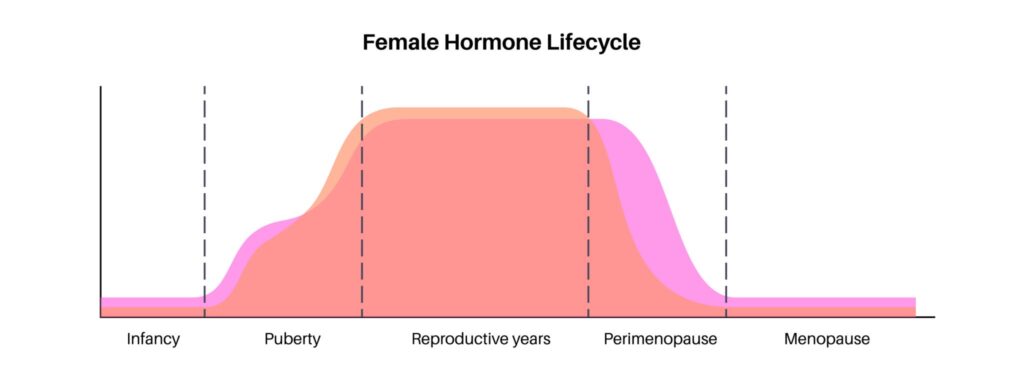
- Perimenopause: As estrogen begins to fluctuate and decline, your cells naturally lose some of their sensitivity to insulin. This "metabolic shift" explains why the diet and exercise routines that worked in your 30s suddenly fail you in your 40s.
The "Muscle Sink": Why Strength Matters
One often overlooked factor in "silent" resistance is muscle mass. Muscle is your body’s primary "glucose sink", it is where the majority of your blood sugar is cleared. If you have low muscle mass (sarcopenia), your insulin has nowhere to "put" the glucose, forcing it into fat storage. This is why "toning up" isn't just about aesthetics; it is a metabolic necessity.
Conclusion: From "Silent" to Successful
The good news? Insulin resistance is not a life sentence. Because it is a metabolic state, it is highly responsive to the right clinical nutrition, targeted movement, and strategic lifestyle shifts.
You don't have to live with the crashes, the cravings, and the frustration of "weight-loss resistance." By identifying the signs today, you are taking the single most important step toward long-term health.
Take the Next Step: The Metabolic Reset
Are you ready to stop the guesswork and start healing your hormones?
I’ve designed a Free Metabolic Reset Guide to help you bridge the gap between your symptoms and a solution. This guide includes the exact clinical steps I use with my 1:1 clients to start resensitizing their cells and restoring their energy.
👉 [Download the Free Metabolic Reset Guide Now]