
The best diet for PCOS and insulin resistance is not about cutting carbs completely - it’s about stabilising blood sugar and improving how your body responds to insulin.
If you’ve been diagnosed with PCOS and insulin resistance, you’ve likely come across conflicting advice - go keto, cut carbs completely, try intermittent fasting, avoid dairy, eat more fibre, eat less often.
It’s overwhelming, and for many women, it leads to one of two outcomes: jumping from diet to diet, or giving up altogether.
Here’s the reality:
PCOS is not just a hormonal condition - it is fundamentally a metabolic condition, driven largely by how your body responds to insulin.
That means the “best diet” isn’t about restriction or trends. It’s about stabilising blood sugar, reducing insulin demand, and supporting your metabolism consistently over time.
In this article, I’ll walk you through exactly what that looks like - clearly, practically, and in a way that’s actually sustainable.
Why Diet Matters for PCOS and Insulin Resistance (The Insulin–Hormone Connection)
Insulin is a hormone that helps move glucose (sugar) from your bloodstream into your cells for energy. When your body becomes insulin resistant, your cells stop responding effectively. As a result, your body produces more insulin to compensate.
Chronically elevated insulin levels have a direct impact on PCOS:
- They stimulate the ovaries to produce more androgens (male hormones)
- They disrupt ovulation
- They promote fat storage, particularly around the abdomen
- They increase cravings and energy crashes
This is why symptoms like weight gain, irregular cycles, acne, and fatigue often appear together.
If insulin is not addressed, symptom management becomes much harder - regardless of how “clean” your diet seems.
Why Most Diets Fail Women with PCOS
Many popular diets fail not because they are inherently “bad,” but because they miss the core issue: blood sugar regulation.
Common problems include:
- Over-restriction → leads to rebound eating and metabolic slowdown
- Ignoring insulin response → focusing only on calories
- Lack of structure → inconsistent eating patterns
- Short-term thinking → unsustainable approaches
For example, cutting carbs aggressively may work initially, but if it’s not sustainable, it often leads to cycles of restriction and overeating - which worsens insulin resistance over time. The goal is not perfection. It’s metabolic stability.
What Is the Best Diet for PCOS and Insulin Resistance?
The best diet for PCOS and insulin resistance is one that:
- Keeps blood sugar stable throughout the day
- Reduces the need for large insulin spikes
- Supports satiety and energy
- Is sustainable long-term
Rather than a named “diet,” think of this as a metabolic framework.
1. Low Glycaemic Load (Not Just Low Carb)
This is where many people get confused.
You don’t need to eliminate carbohydrates - but you do need to be strategic about them.
A low glycaemic load approach focuses on:
- Choosing slower-digesting carbohydrates
- Pairing carbs with protein and fat
- Avoiding large spikes in blood sugar
Examples of better carbohydrate choices:
- Oats instead of sugary cereal
- Sweet potato instead of white bread
- Quinoa instead of refined pasta
This approach allows you to include carbohydrates without triggering large insulin responses.
2. Protein-Centred Meals
Protein is one of the most powerful tools for improving insulin resistance.
Every meal should be anchored with a solid protein source.
Why this matters:
- Slows digestion → stabilises blood sugar
- Reduces cravings → improves adherence
- Supports muscle mass → improves insulin sensitivity
A common mistake is under-eating protein, especially at breakfast.
Instead of:
- Toast or cereal alone
Aim for:
- Eggs with vegetables
- Greek yogurt with nuts and seeds
- Protein-based smoothie (balanced, not sugar-heavy)
3. Strategic Carbohydrates
Carbohydrates are not the enemy, but they do need to be used intentionally.
Key principles:
- Avoid eating carbs on their own
- Pair with protein and fat
- Spread intake across the day rather than large single loads
For example, instead of:
- Large pasta meal with minimal protein
Aim for:
- Moderate portion of carbs + protein + vegetables + fats
This helps minimise blood sugar spikes and keeps energy stable.
4. Healthy Fats for Hormonal Balance
Healthy fats play an important role in:
- Reducing inflammation
- Supporting hormone production
- Improving satiety
Include fats such as:
- Olive oil
- Avocado
- Nuts and seeds
- Oily fish
Fats also slow digestion, which helps moderate glucose absorption.
Best Foods for PCOS and Insulin Resistance
Rather than focusing on restriction, it’s more effective to focus on what to include consistently.
Protein Sources
- Chicken breast
- Eggs
- Fish (salmon, sardines, tuna)
- Lean beef
- Greek yogurt
- Cottage cheese
- Tofu and legumes
Tip
Aim to include protein at every meal.
Low GI Carbohydrates
- Oats
- Quinoa
- Brown rice
- Sweet potato
- Lentils and chickpeas
- Whole grain breads (in moderation)
Important
Portion size and pairing matter just as much as the type.
Healthy Fats
- Extra virgin olive oil
- Avocado
- Almonds, walnuts
- Chia seeds, flaxseeds
These support both metabolic and hormonal health.
Fibre-Rich Vegetables
- Leafy greens (spinach, kale)
- Broccoli
- Zucchini
- Capsicum
- Cauliflower
Fibre helps:
- Slow glucose absorption
- Improve gut health
- Support satiety
Foods to Avoid or Limit
This is not about eliminating everything - but reducing the foods that drive insulin spikes and metabolic dysfunction.
Refined Carbohydrates
- White bread
- Pastries
- Cakes and biscuits
These are rapidly digested and cause sharp blood sugar spikes.
Sugary Foods and Drinks
- Soft drinks
- Fruit juices
- Flavoured coffees
- Lollies
Liquid sugar is particularly problematic because it is absorbed very quickly.
Ultra-Processed Foods
- Packaged snack foods
- Fast food
- Highly processed “diet” products
These often combine refined carbs + unhealthy fats + additives.
“Healthy” Foods That Spike Insulin
These are often misunderstood:
- Smoothies (especially fruit-heavy)
- Granola
- Acai bowls
- Fruit juices
While they may seem healthy, they can deliver a large glucose load without enough protein or fat to balance it.
Example 1-Day Meal Plan for PCOS and Insulin Resistance
This is a simple, balanced structure - not a rigid plan.
Breakfast
- Eggs with spinach and avocado
- Optional: small portion of whole grain toast
Lunch
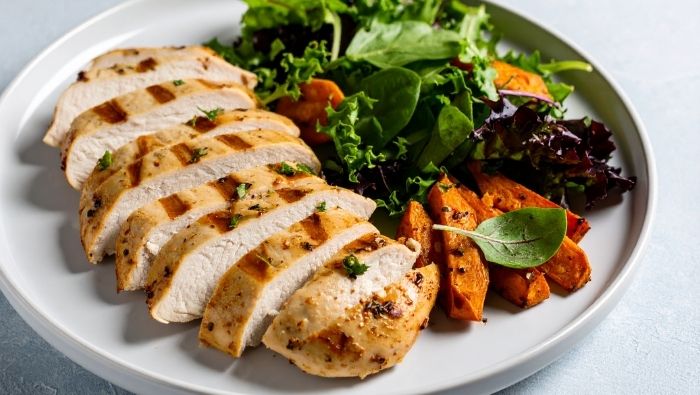
- Grilled chicken salad with olive oil dressing
- Add quinoa or chickpeas
Dinner
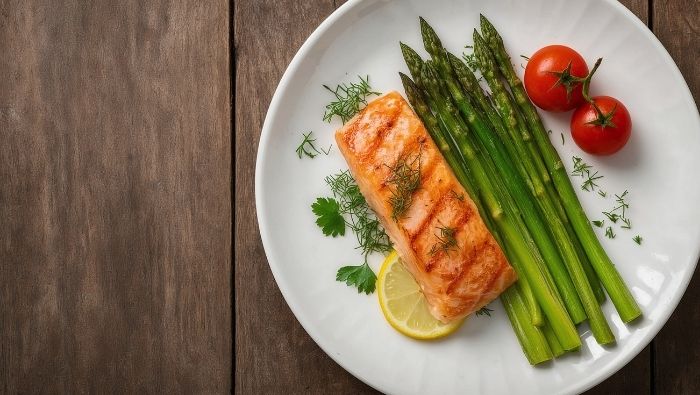
- Salmon with roasted vegetables
- Drizzle of olive oil
Snack (if needed)
- Greek yogurt with nuts
- OR boiled eggs
- OR handful of almonds
Key Takeaway
Every meal includes protein + fibre + fat, with carbohydrates used strategically.
Should You Go Low-Carb or Keto for PCOS?
This is one of the most common questions.
Low-carb and ketogenic diets can improve insulin sensitivity in the short term. However, they are not necessary (or sustainable) for many women.
Considerations:
- Can reduce insulin quickly
- May support initial weight loss
- Often difficult to maintain long-term
- Can lead to rebound eating
For most women, a moderate, balanced approach is more effective and sustainable.
The goal is not to eliminate carbs - it’s to improve how your body handles them.
How to Start This Diet (Simple Plan)
You don’t need to overhaul everything overnight. Focus on these three steps:
1. Build Every Meal Around Protein
Before thinking about carbs or calories, ask:
“Where is the protein in this meal?”
2. Reduce Refined Carbohydrates
Swap:
- White bread → whole grain or lower GI options
- Sugary snacks → protein-based alternatives
3. Create Structure in Your Eating
Avoid:
- Skipping meals
- Grazing all day
Aim for:
- 3 balanced meals
- Optional structured snack
Consistency helps regulate insulin and appetite.
When Diet Alone Isn’t Enough
For some women, dietary changes are not enough to fully improve symptoms.
This is especially true if:
- Insulin resistance is more advanced
- Hormonal imbalances are significant
- Weight loss has been resistant despite effort
In these cases, a more personalised, structured approach may be needed - one that takes into account:
- Individual metabolism
- Hormonal profile
- Nutritional needs
Final Thoughts
There is no single “perfect diet” for PCOS and insulin resistance.
But there is a clear pattern among what works:
- Stable blood sugar
- Consistent protein intake
- Strategic use of carbohydrates
- Sustainable habits
The women who see the best results are not those who follow the most restrictive plans - but those who apply these principles consistently.
Start simple. Focus on structure. Build from there.
And most importantly, remember: Improving your metabolism is not about doing more - it’s about doing the right things consistently.