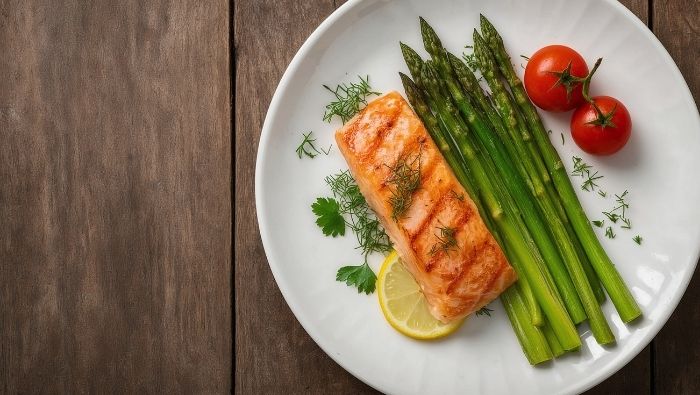

If you have PCOS and insulin resistance, one of the most common questions is: “What should I actually eat each day?”
You may understand that balancing blood sugar is important - but translating that into real meals can feel confusing and overwhelming.
This is where a structured plan helps.
This 7-Day PCOS insulin resistance meal plan is designed to:
- stabilise blood sugar
- reduce insulin spikes
- support hormone balance
- make eating simple and sustainable
It’s not about restriction or perfection - it’s about consistency and metabolic support.
Why a Meal Plan Helps with PCOS and Insulin Resistance
When you’re dealing with insulin resistance, what you eat - and how consistently you eat - matters more than you think.
Unstructured eating often leads to:
- blood sugar spikes and crashes
- increased cravings
- overeating later in the day
- inconsistent energy
A structured meal plan removes decision fatigue and helps you:
- prioritise protein
- balance carbohydrates
- create steady energy throughout the day
This is one of the fastest ways to start improving metabolic function.
Key Principles Behind This Meal Plan
Before diving in, it’s important to understand the structure behind it.
This plan is based on three core principles:
1. Protein at Every Meal
Protein helps:
- stabilise blood sugar
- reduce cravings
- support metabolism
Each meal includes a solid protein source.
2. Controlled, Strategic Carbohydrates
Carbohydrates are included, but in the right way:
- paired with protein and fats
- moderate portions
- focused on lower glycaemic options
3. Balanced Meals (No Extremes)
Each meal includes:
- protein
- fibre
- healthy fats
This combination slows digestion and keeps blood sugar stable.
7-Day PCOS Insulin Resistance Meal Plan
Use this as a guide - not a rigid rulebook. You can swap similar foods as needed.
Day 1
Breakfast
- Eggs with spinach and avocado
- + small slice whole grain toast
Lunch
- Grilled chicken salad with olive oil dressing
- + quinoa
Dinner
- Baked salmon with roasted vegetables
Snack
- Greek yogurt with almonds
Day 2
Breakfast
- Greek yogurt with chia seeds and berries
Lunch
- Turkey and avocado lettuce wraps
- + side of roasted sweet potato
Dinner
- Lean beef stir-fry with vegetables
Snack
- Boiled eggs
Day 3
Breakfast
- Omelette with vegetables and feta
Lunch
- Chicken bowl with brown rice, greens, and olive oil
Dinner
- Grilled fish with steamed broccoli and zucchini
Snack
- Handful of nuts
Day 4
Breakfast
- Protein smoothie (protein powder, spinach, almond milk, small berries)
Lunch
- Tuna salad with olive oil and mixed greens
Dinner
- Chicken breast with roasted sweet potato and vegetables
Snack
- Cottage cheese
Day 5
Breakfast
- Eggs with mushrooms and avocado
Lunch
- Leftover chicken with salad and olive oil
Dinner
- Beef and vegetable bowl with quinoa
Snack
- Greek yogurt
Day 6
Breakfast
- Greek yogurt with nuts and seeds
Lunch
- Salmon salad with leafy greens and olive oil
Dinner
- Chicken stir-fry with vegetables
Snack
- Boiled eggs or nuts
Day 7
Breakfast
- Omelette with vegetables
Lunch
- Quinoa bowl with grilled chicken and vegetables
Dinner
- Baked fish with roasted vegetables
Snack
- Dark chocolate + almonds (small portion)
How to Use This Meal Plan
This plan works best when you focus on structure, not perfection.
Keep these guidelines in mind:
- Eat 3 balanced meals per day
- Include protein every time you eat
- Avoid skipping meals (this worsens blood sugar instability)
- Keep snacks optional, not constant
You don’t need to follow this exactly. The goal is to learn the pattern.
Common Mistakes to Avoid
Even with a good plan, these mistakes can slow progress:
1. Not Eating Enough Protein
This leads to:
- cravings
- energy crashes
- poor satiety
2. Overdoing “Healthy” Carbs
Even healthy foods like oats or fruit can spike blood sugar if eaten alone or in large amounts.
3. Skipping Meals
This often leads to:
- overeating later
- worse insulin response
4. Being Too Restrictive
Extreme dieting is not sustainable and can worsen metabolic function over time.
Can You Adjust This Meal Plan?
Yes - and you should. This is a framework, not a prescription.
You can:
- swap proteins (chicken → fish → eggs)
- change vegetables
- adjust portion sizes
What matters is maintaining:
- protein
- balance
- consistency
When You Need More Structure
For many women, a structured meal plan like this is a powerful starting point.
However, if you:
- feel stuck despite eating “well”
- struggle with persistent weight gain
- experience ongoing symptoms despite your efforts
it may indicate that your metabolism needs a more individualised approach.
This is where personalised nutrition becomes important.
In clinical practice, we often see that a generic “healthy diet” is not enough to correct underlying metabolic imbalances. Factors such as insulin response, hormone patterns, and nutrient requirements can vary significantly from person to person.
This is why I use a structured, evidence-based approach that incorporates blood chemistry analysis to guide nutrition recommendations.
Rather than guessing what your body needs, this method allows us to:
- identify metabolic patterns
- determine your specific nutritional requirements
- create a tailored meal plan aligned with your physiology
This forms the foundation of programs we offer - a personalised system designed to improve insulin sensitivity, support hormone balance, and restore metabolic function.
If you’ve been following general advice but not seeing results, a more targeted approach can often make the difference.
👉 If you’d like to learn more, you can explore working with me here.
Final Thoughts
A meal plan like this works because it focuses on what actually matters:
- stabilising blood sugar
- supporting insulin sensitivity
- creating consistent eating patterns
You don’t need a perfect diet.
You need a repeatable structure that supports your metabolism every day.
Start with simple changes. Stay consistent. Build from there.
CTA (Add in your page)
👉 Want a structured, step-by-step approach? Download the Metabolic Reset Guide to learn how to improve insulin resistance and balance your metabolism.