
You ate a proper meal two hours ago - so why do you feel shaky, foggy, irritable, suddenly starving, maybe a little sweaty or lightheaded? It seems to make no sense: how can your blood sugar be low when you've just eaten?
This is reactive hypoglycaemia (hypoglycemia in the US) - a blood sugar crash that happens a few hours after eating, not from going without food. It's genuinely uncomfortable, often frightening, and very common. The good news is that it's closely tied to what and how you eat, which means it's one of the most manageable blood sugar problems there is. This article explains why it happens, how to recognise it, what to eat to stop it - and, importantly for women, why it's sometimes an early signal worth paying attention to.
What reactive hypoglycaemia actually is
Reactive hypoglycaemia - also called postprandial hypoglycaemia - is a drop in blood sugar that occurs within about two to four hours after eating a meal. Blood glucose falls low enough (generally around or below 70 mg/dL, or 3.9 mmol/L) to produce symptoms, which then ease once you eat again.
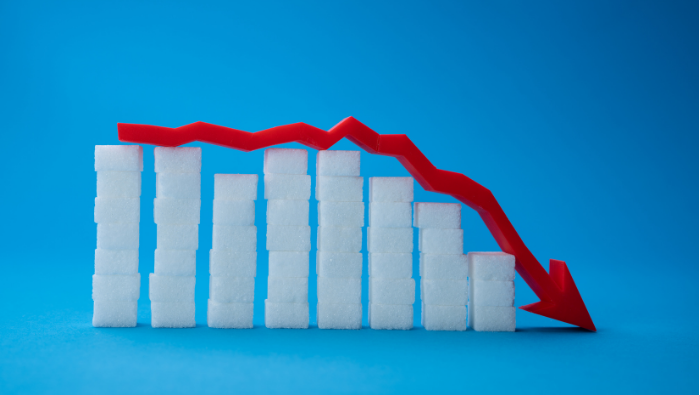
The paradox - feeling low blood sugar after eating - makes more sense once you see the sequence. It's not that you haven't eaten enough. It's that your blood sugar rose too high, too fast, and your body over-corrected:
- You eat a meal high in fast-releasing carbohydrate - and your blood sugar spikes sharply.
- Your body responds to that spike by releasing a large surge of insulin to bring it down.
- That insulin surge overshoots - pulling blood sugar down too far and too fast.
- You're left with a blood sugar crash, and the symptoms that come with it.
So reactive hypoglycaemia isn't really a "low blood sugar" problem at its root - it's a spike-and-overcorrect problem. The crash is the second half of a story that begins with a spike. That's the key to understanding why the solution is about preventing the spike, not chasing the low.
Insight
The crash you feel two hours after eating started as a spike. Your blood sugar rose too fast, your body over-released insulin to correct it, and overshot. This is why treating reactive hypoglycaemia with sugar the moment you crash only sets up the next spike - the real fix is stopping the initial rise from being so steep.
The symptoms: how to recognise a blood sugar crash
Reactive hypoglycaemia symptoms appear a couple of hours after eating and typically ease when you eat again. They commonly include:
- Shakiness or trembling
- Sudden, intense hunger or strong carbohydrate cravings
- Irritability, anxiety, or feeling "hangry"
- Difficulty concentrating, brain fog
- Fatigue or a sudden need to "crash"
- Sweating
- Dizziness or lightheadedness
- A fast or pounding heartbeat
- Headache
The pattern is the giveaway: the timing (a few hours after eating, often worst after a carb-heavy meal), and the relief that comes from eating. If that pattern is familiar - especially after meals like a big bowl of pasta, a pastry and coffee, or a sugary breakfast - reactive hypoglycaemia is very likely what's happening.
The intense hunger and sugar cravings that come with the crash are your body demanding the quickest route back to stable blood sugar.
Why this matters more for women: the early-warning signal
Here's the part most explanations of reactive hypoglycaemia leave out entirely, and it's the most important part if you're a woman.
For many women, reactive hypoglycaemia isn't a standalone quirk - it's an early sign of underlying insulin resistance. When your cells are becoming resistant to insulin, your body compensates by producing more insulin, and that exaggerated insulin response is exactly what drives the overshoot and the crash. So the blood sugar crashes you're feeling may be one of the first noticeable signals that your insulin sensitivity is shifting - often years before it would show up on a standard blood test.
This matters especially in three situations:
- PCOS. Most women with PCOS have insulin resistance, and reactive hypoglycaemia and the crashes that come with it are a common part of the picture.
- Perimenopause. As oestrogen declines, insulin sensitivity falls, and many women develop post-meal crashes in their 40s that they never had before.
- Anyone with worsening cravings and midsection weight. These often travel together with reactive hypoglycaemia, because they share the same root: elevated insulin.
None of this is cause for alarm - it's cause for attention. Reactive hypoglycaemia is often the body flagging a metabolic shift early, while it's still highly responsive to changes in how you eat. That's an opportunity, not a diagnosis.
Insight
For many women, recurring blood sugar crashes after meals are an early warning that insulin resistance is developing - often before any standard test would catch it. That makes reactive hypoglycaemia worth listening to: it's your metabolism signalling a shift while it's still very responsive to what you do about it.
What to eat to stop the crashes
Because reactive hypoglycaemia is a spike-and-crash problem, everything about managing it comes down to one goal: preventing the initial spike. A gentle rise means a gentle, proportionate insulin response, which means no overshoot and no crash. Here's how.
Never eat carbohydrate on its own. This is the single most important rule. Carbohydrate eaten alone spikes fastest. Always pair it with protein and fat, which slow digestion and flatten the rise - an apple with nuts rather than an apple alone, toast with eggs rather than toast with jam.
Build every meal around protein. Protein produces the smallest blood sugar rise of any food and blunts the response to everything eaten with it. Anchoring each meal with a proper protein source is the foundation - and it's worth knowing how much protein you actually need, because most people fall short.
TIP
When a crash hits, the instinct is to reach for something sweet - and it works for about twenty minutes, before setting up the next spike and the next crash. If you need to steady a crash, choose a small amount of protein-and-fat with a little carbohydrate (a few nuts and a piece of fruit, not a biscuit) rather than pure sugar. It breaks the cycle instead of feeding it.
A note on the "small, frequent meals" advice
If you've read about reactive hypoglycaemia before, you've almost certainly been told to eat five or six small meals every few hours. It's the standard recommendation - and for some people it helps, by preventing the large single loads that trigger the biggest spikes.
But it's worth knowing there's a nuance, especially if insulin resistance is part of your picture. Eating very frequently keeps insulin continuously elevated, never letting it settle between meals - and for an insulin-resistant body, chronically raised insulin is part of the underlying problem, not the solution. For many women, a pattern of three properly built, protein-led meals - each structured to prevent spikes - works better than constant grazing, because it stops the spikes and gives insulin time to come down in between.
There's no single right answer here, and it's worth paying attention to which pattern actually settles your symptoms. But if you've been grazing all day on the standard advice and still crashing, structured meals built around protein may serve you better. This is exactly the kind of thing where the individual detail matters.
When to see your doctor
Reactive hypoglycaemia is usually managed through diet, and most people find their symptoms resolve with the changes above. But some situations warrant medical attention, because low blood sugar can occasionally signal something that needs proper assessment. See your doctor (or GP) if:
- Your symptoms are severe - fainting, confusion, or loss of consciousness
- Crashes continue frequently despite dietary changes
- You have diabetes or take medication that lowers blood sugar
- You've had gastric surgery (which can cause a specific form of this)
- You have other symptoms alongside - excessive thirst or urination, unexplained weight loss
Tests worth asking your doctor about include fasting glucose, HbA1c, and - particularly relevant given the insulin-resistance connection - fasting insulin, which is often the marker that reveals what standard glucose testing misses. Diagnosis is your doctor's domain; this article is to help you understand the pattern and what you can do nutritionally.
Why the right approach is specific to you
The principles above prevent spikes for almost everyone - but the specific foods that keep your blood sugar steadiest aren't identical to the next person's.
This is well established in nutrition science: the same meal can spike one person's blood sugar sharply while another barely registers it, because responses depend on genetics, gut microbiome, hormones, muscle mass, and metabolic state. A food that's perfectly steady for someone else might be a hidden trigger for you - which is why generic reactive-hypoglycaemia advice takes you only so far. The most effective approach is knowing which foods keep your blood sugar calm, built from your own responses rather than a general rule. It's the foundation of the personalised metabolic and nutrition programmes that identify exactly what suits your body - the step beyond the sound general principles here.
Clinical Insight
Reactive (postprandial) hypoglycaemia describes symptomatic hypoglycaemia occurring typically two to four hours after eating, with capillary or plasma glucose falling to around or below 70 mg/dL (3.9 mmol/L) and resolving with carbohydrate intake.
Its pathophysiology is more accurately conceptualised as dysregulated post-prandial glucose handling than as a primary hypoglycaemic disorder: a rapid glycaemic excursion - driven by high-glycaemic-load intake - provokes a disproportionate or temporally mismatched insulin response, producing a reactive fall below baseline.
Critically, in a substantial proportion of cases, particularly among women, this exaggerated insulinaemic response reflects underlying insulin resistance with compensatory hyperinsulinaemia; reactive hypoglycaemia may therefore represent an early, symptomatic marker of evolving insulin resistance that antedates abnormalities on fasting glucose or HbA1c, and is frequently associated with PCOS and with the declining insulin sensitivity of the menopausal transition.
The therapeutic emphasis is consequently on attenuating the initial glycaemic excursion rather than on treating the nadir: combining protein, fat, and fibre with carbohydrate, reducing refined carbohydrate load, sequencing carbohydrate later within meals, and prioritising a protein-forward first meal all flatten the post-prandial curve and the compensatory insulin surge.
The conventional recommendation of frequent small feedings, while effective for some in limiting single-meal glycaemic load, maintains persistent insulin stimulation and may be suboptimal where insulin resistance is the underlying driver, for whom structured, protein-forward meals permitting inter-prandial insulin decline may be preferable - an individualised determination.
Assessment of fasting insulin, in addition to glucose and HbA1c, is informative given the insulin-resistance association, and evaluation is warranted where symptoms are severe, refractory, or accompanied by red-flag features. Given substantial inter-individual variation in glycaemic response, intervention calibrated to the individual consistently outperforms generic dietary prescription.
Working With Blood Sugar Crashes That Keep Coming Back?
If you're crashing after meals and want a clear, structured way to stop it, the answer is building meals that prevent the spike in the first place - and doing it consistently. The 14-Day Metabolic Kickstart is built on exactly these principles: protein at every meal, blood-sugar stability, and the meal structure that stops the spike-and-crash cycle. It's a clinician-designed programme with real food, 40+ recipes, and video modules explaining why it works - done entirely online, wherever you are, for A$47 (about US$30).
For women who suspect insulin resistance is behind their crashes and want a fully personalised approach, Sharon's metabolic health programmes build a plan around your individual blood chemistry - identifying exactly what keeps your blood sugar steady. (In-clinic and remote consultations; the personalised clinical programme is based in Australia.)
👉 Start the 14-Day Kickstart (A$47 / ~US$30) · or book a Health Strategy Session
Free resource
Download the 7-Day Metabolic Reset Guide - a free, clinically grounded plan to stop the post-meal crash, built around the protein-led, spike-preventing principles in this article. Designed specifically for women. No calorie counting. No restriction.
Frequently Asked Questions
How do I know if I have reactive hypoglycaemia?
The tell-tale pattern is symptoms - shakiness, hunger, irritability, fog, fatigue - appearing two to four hours after eating, often worst after a carb-heavy meal, and easing once you eat again. If that pattern is familiar, reactive hypoglycaemia is likely. Your doctor can confirm it and check for underlying causes.
What should I eat for reactive hypoglycaemia?
Build every meal around protein, always pair carbohydrate with protein and fat (never eat carbs alone), reduce refined and sugary foods, and get a protein-led breakfast right. The goal is preventing the initial blood sugar spike, because the crash is a reaction to the spike.
Why do I get low blood sugar after eating sugar?
Because sugar and refined carbohydrate spike your blood sugar fastest, prompting the largest insulin surge - which then overshoots and pulls your blood sugar down too far. The bigger the initial spike, the harder the crash. This is why sugary foods are the most common trigger.
Is reactive hypoglycaemia a sign of diabetes or insulin resistance?
It can be an early sign of insulin resistance, particularly in women, because the exaggerated insulin response that causes the crash often reflects developing insulin resistance. It's worth discussing with your doctor and asking about fasting insulin, not just glucose. It isn't diabetes itself, but it can be an early metabolic signal worth attention.
Should I eat small frequent meals for reactive hypoglycaemia?
It's the standard advice and helps some people by limiting single-meal spikes. But frequent eating keeps insulin continuously elevated, which may not suit those with insulin resistance. For many women, three well-structured, protein-led meals work better. It's worth noticing which pattern actually settles your symptoms.
How long does it take to stop the crashes?
Many people notice a difference within days of building meals to prevent spikes, because the mechanism responds quickly to how you eat. Consistency is what makes it last.