You did everything right. You noticed you weren’t feeling like yourself – tired, foggy, gaining weight, just off – so you booked the blood test, fasted, showed up, and waited. Then came the call: “Everything’s come back normal. You’re fine.”
If your blood tests are “normal” but you feel anything but, there is almost always a real, identifiable reason – and understanding it is the first step to doing something about it. The problem usually isn’t that nothing is wrong. It’s that the standard tests weren’t designed to find what’s actually happening.
Category
Hormonal Health
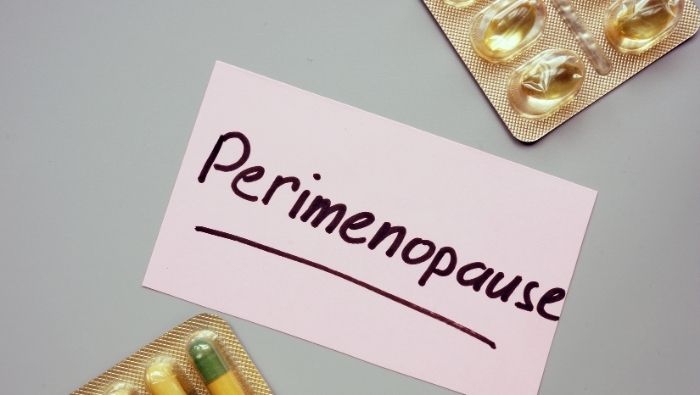
Perimenopause and Mood: Why You Feel Different – and What’s Actually Happening
If you have started feeling like a different person in your 40s – more irritable, more tearful, more flat, more reactive, less resilient, less recognisable to yourself – and you cannot fully explain why, this article is for you.
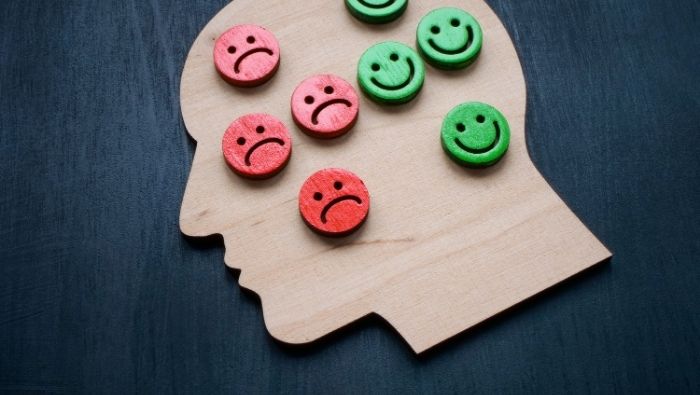
The mood changes of perimenopause are one of the least discussed and most disorienting aspects of this transition. Women describe feeling unfamiliar to themselves. Crying without obvious reason. Snapping at people they love. Losing pleasure in things that used to bring joy. Feeling flat where they used to feel engaged. Experiencing rage that surprises them. Carrying a low-grade sadness that does not quite reach the threshold of depression but does not lift either.
Most of these experiences are dismissed – by doctors, by family, by women themselves – as stress, midlife crisis, hormonal moodiness, or simply the demands of a busy life.
Perimenopause and Anxiety: The Hormonal Connection Most Women Don’t Know About
If anxiety has appeared in your 40s – or significantly intensified after years of being relatively manageable – and you cannot point to anything in your life that fully explains it, you are not alone, and you are not imagining it. This is one of the most common and most distressing experiences of perimenopause.
Perimenopause and Cortisol: Why Stress Hits Harder in Your 40s
If you have noticed that stress hits you harder than it used to – that small things tip you over more easily, that you feel less resilient, that the recovery from a difficult day takes longer than it should – you are not imagining it. This is one of the most common experiences of perimenopause, and one of the least adequately explained.
What Is Perimenopause? Symptoms, Timeline, and What to Expect
For many women, perimenopause does not announce itself clearly. It creeps in quietly – a sleep pattern that shifts, a mood that feels harder to manage, a waistline that stops responding the way it used to, periods that become unpredictable after years of reliability.
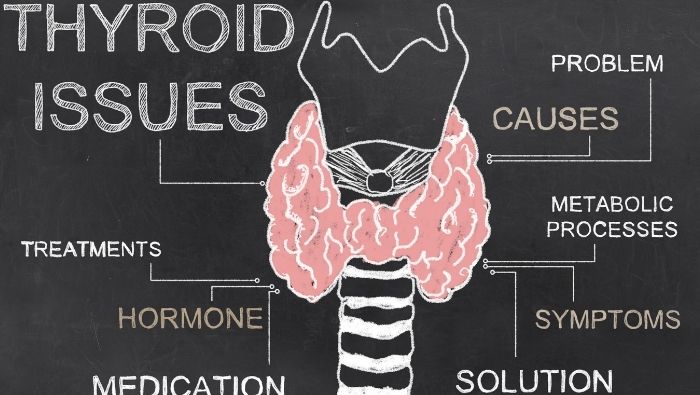
PCOS and Thyroid: Why These Two Conditions So Often Go Together
If you have PCOS and you have also been told you have a thyroid condition – or if you suspect your thyroid may be involved but have been told your results are normal – you are far from alone.
Thyroid dysfunction, particularly Hashimoto’s thyroiditis and hypothyroidism, is significantly more prevalent in women with PCOS than in the general population.
PCOS and Anxiety: The Hormonal Connection Most Women Don’t Know About
Anxiety is one of the most common but least-discussed PCOS symptoms. Here’s why PCOS causes anxiety at a physiological level – and what addressing the metabolic root actually does for your mental health.
PCOS and Irregular Periods: What Your Cycle Is Really Telling You
For many women, an irregular or absent period is the first sign that something is wrong – the symptom that eventually leads to a PCOS diagnosis. And yet, once that diagnosis is made, the explanation often stops there.
“Irregular periods are part of PCOS.” Full stop.
What is rarely explained is why PCOS disrupts the menstrual cycle, what is happening hormonally during those long, unpredictable cycles, what it means metabolically when ovulation is absent, and – most importantly – what actually happens to cycle regularity when the underlying metabolic drivers are addressed.
PCOS After 40: When PCOS and Perimenopause Start to Overlap
Introduction If you have been managing PCOS for years - understanding your body, learning your...
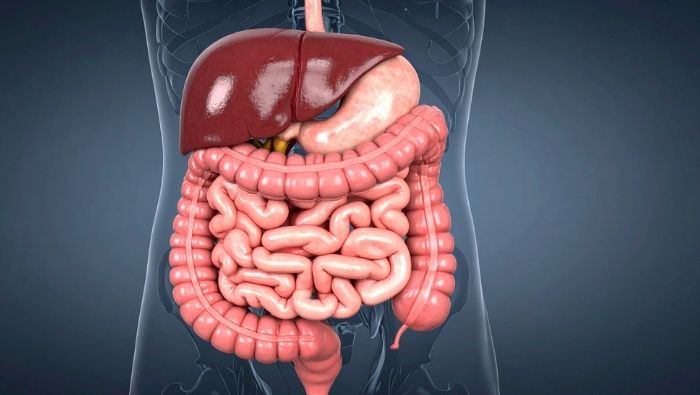
PCOS and Gut Health: How Your Microbiome Affects Your Hormones and Metabolism
Gut health has become one of the most talked-about topics in wellness – and like most things that reach that level of cultural saturation, the signal has become difficult to separate from the noise.
But underneath the oversimplification and the probiotic marketing, there is genuinely important science.
PCOS and Hair Loss: Why It Happens and How to Slow It Down
Hair loss is one of the most distressing symptoms a woman with PCOS can experience – and one of the least adequately addressed in standard care.
If you’ve noticed your hair thinning at the crown, your parting widening, more hair than usual on your pillow or in the shower drain, or a general loss of the density your hair once had – and you’ve been told there’s not much to be done beyond minoxidil or waiting – this article is for you.
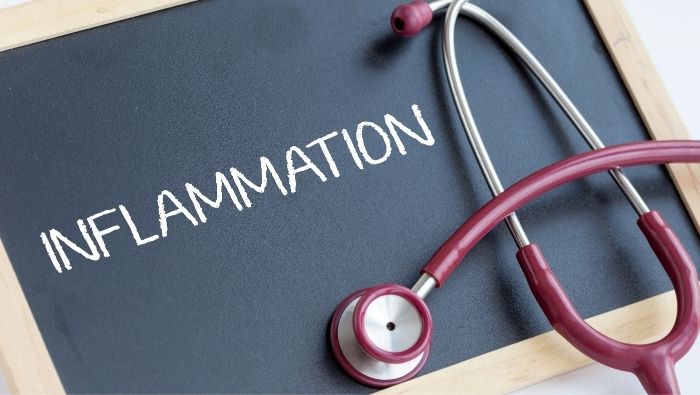
PCOS and Inflammation: The Hidden Driver Behind Your Symptoms
Introduction You've probably heard the word "inflammation" thrown around a lot in health...