You’ve probably been told, at some point, that you need around 46 grams of protein a day.
It’s on government health sites. It’s in the back of magazines. It’s the number most of us absorbed somewhere along the way and never questioned.
And if you’re a woman over forty who’s tired, losing strength, and finding your body composition changing despite eating carefully – that number is very likely part of why. Not because it’s wrong, exactly. Because it was never designed to do the job we ask of it.
Category
PCOS Metabolism
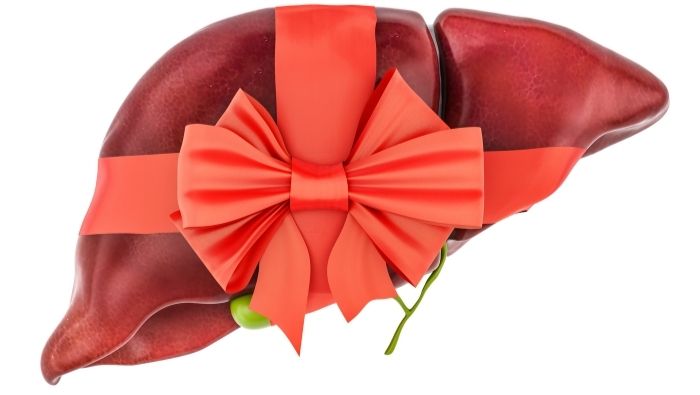
Insulin Resistance and Fatty Liver in Women: The Hidden Connection
There’s a metabolic condition that affects a large proportion of women with insulin resistance and PCOS – one that progresses silently for years, produces no symptoms until significant damage has occurred, and is almost never checked for at a standard appointment. It’s fatty liver disease, and its connection to insulin resistance is one of the most important and least discussed pieces of the metabolic picture in women’s health.
What to Eat on Ozempic and Mounjaro: A Nutritionist’s Guide for Women
If you’re on Ozempic or Mounjaro, you’ve probably been told what the medication does – but very little about what to actually eat while you’re on it. That gap matters more than most women realise, because while these medications suppress your appetite, they don’t tell your body what to eat with the reduced intake you now have. And getting that wrong has real consequences, particularly for women, and particularly in midlife.
Natural Alternatives to Ozempic® and Mounjaro®: What Actually Works for PCOS and Perimenopause
If you’ve watched the headlines about Ozempic and Mounjaro and wondered whether there’s a natural way to get similar results – without the injections, the cost, or the uncertainty about long-term use – you’re asking a sensible question, and you’re far from alone. The key is understanding what actually works versus what’s just clever marketing.
PCOS Is Now PMOS: What the Name Change Means for You
If you’ve seen headlines saying PCOS has a new name – or your practitioner has started using an unfamiliar term – you haven’t missed a new diagnosis or a change to your condition. In a landmark decision, polycystic ovary syndrome (PCOS) has officially been renamed polyendocrine metabolic ovarian syndrome (PMOS). It’s the same condition you already know. What’s changed is the name – and the change matters more than it might first appear, because of why it happened.
Lean PCOS: When You’re a Normal Weight but Still Have PCOS
Most of what’s written about PCOS assumes you’re carrying extra weight. So if you’re a normal weight – and yet you’re bloated much of the time, low on energy, and increasingly just don’t feel like yourself – you can end up in a confusing place. You might have PCOS on paper, but none of the standard advice seems written for you. Or you might suspect something is wrong and have been reassured that, because your weight is fine, it probably isn’t.
Your Blood Tests Came Back “Normal” but You Still Feel Awful – Here’s Why
You did everything right. You noticed you weren’t feeling like yourself – tired, foggy, gaining weight, just off – so you booked the blood test, fasted, showed up, and waited. Then came the call: “Everything’s come back normal. You’re fine.”
If your blood tests are “normal” but you feel anything but, there is almost always a real, identifiable reason – and understanding it is the first step to doing something about it. The problem usually isn’t that nothing is wrong. It’s that the standard tests weren’t designed to find what’s actually happening.
Why Am I Gaining Weight When Nothing Has Changed?
You’re eating the way you always have. You haven’t changed your exercise. Nothing about your life looks different on paper. And yet the scale keeps creeping up, your clothes fit differently, and your body feels like it’s behaving according to rules nobody told you about. This article explains what’s actually happening, why it happens to women in particular, and – most importantly – why the usual advice to “eat less and move more” often makes it worse rather than better.
What Is Perimenopause? Symptoms, Timeline, and What to Expect
For many women, perimenopause does not announce itself clearly. It creeps in quietly – a sleep pattern that shifts, a mood that feels harder to manage, a waistline that stops responding the way it used to, periods that become unpredictable after years of reliability.
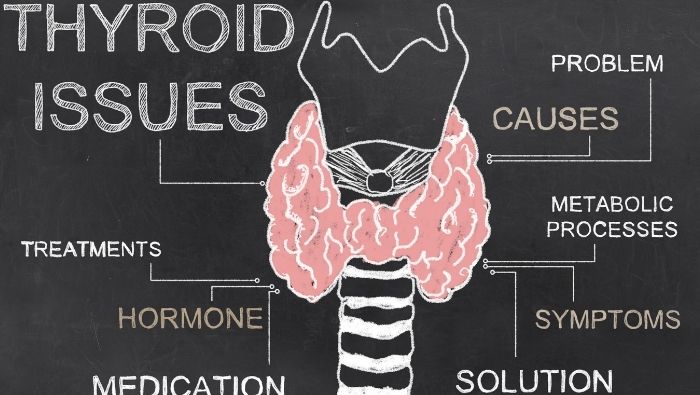
Why Do So Many Women With PCOS Also Have Hashimoto’s?
If you have PCOS and you’ve also been diagnosed with an underactive thyroid – or Hashimoto’s specifically – you might have assumed it was bad luck to have two separate conditions at once. It usually isn’t. PCOS and thyroid problems overlap far more often than chance would predict, and there’s a real, identifiable reason why.
PCOS and Anxiety: The Hormonal Connection Most Women Don’t Know About
Anxiety is one of the most common but least-discussed PCOS symptoms. Here’s why PCOS causes anxiety at a physiological level – and what addressing the metabolic root actually does for your mental health.
PCOS and Irregular Periods: What Your Cycle Is Really Telling You
For many women, an irregular or absent period is the first sign that something is wrong – the symptom that eventually leads to a PCOS diagnosis. And yet, once that diagnosis is made, the explanation often stops there.
“Irregular periods are part of PCOS.” Full stop.
What is rarely explained is why PCOS disrupts the menstrual cycle, what is happening hormonally during those long, unpredictable cycles, what it means metabolically when ovulation is absent, and – most importantly – what actually happens to cycle regularity when the underlying metabolic drivers are addressed.