If you’ve noticed that alcohol affects you differently than it used to – that one or two glasses of wine now leave you flushed, wide awake at 3am, anxious the next morning, or nursing a hangover that feels wildly out of proportion – you’re not imagining it, and it’s not just “getting older.” It’s your hormones.

Category
Perimenopause Metabolism
Signs of Perimenopause in Your Late 30s and Early 40s (and Why You’re Not Too Young)
Something feels off. Your periods have started behaving differently. You’re waking at 3am for no reason. Your weight is creeping up despite no change to how you eat. Your moods swing in ways they didn’t used to, and your energy has quietly drained away. And somewhere in the back of your mind is the thought: I’m too young for this to be menopause… aren’t I?
Why Can’t I Lose Weight in Perimenopause? Weight-Loss Resistance Explained
You’re eating well. You’re moving more. You’ve cut back – maybe cut back hard. And the scale isn’t moving, or it’s creeping the wrong way. The approach that always used to work simply doesn’t anymore, and you’re left wondering what you’re doing wrong.
The answer is: probably nothing.
What to Eat on Ozempic and Mounjaro: A Nutritionist’s Guide for Women
If you’re on Ozempic or Mounjaro, you’ve probably been told what the medication does – but very little about what to actually eat while you’re on it. That gap matters more than most women realise, because while these medications suppress your appetite, they don’t tell your body what to eat with the reduced intake you now have. And getting that wrong has real consequences, particularly for women, and particularly in midlife.
Natural Alternatives to Ozempic® and Mounjaro®: What Actually Works for PCOS and Perimenopause
If you’ve watched the headlines about Ozempic and Mounjaro and wondered whether there’s a natural way to get similar results – without the injections, the cost, or the uncertainty about long-term use – you’re asking a sensible question, and you’re far from alone. The key is understanding what actually works versus what’s just clever marketing.
Your Blood Tests Came Back “Normal” but You Still Feel Awful – Here’s Why
You did everything right. You noticed you weren’t feeling like yourself – tired, foggy, gaining weight, just off – so you booked the blood test, fasted, showed up, and waited. Then came the call: “Everything’s come back normal. You’re fine.”
If your blood tests are “normal” but you feel anything but, there is almost always a real, identifiable reason – and understanding it is the first step to doing something about it. The problem usually isn’t that nothing is wrong. It’s that the standard tests weren’t designed to find what’s actually happening.
Why Am I Gaining Weight When Nothing Has Changed?
You’re eating the way you always have. You haven’t changed your exercise. Nothing about your life looks different on paper. And yet the scale keeps creeping up, your clothes fit differently, and your body feels like it’s behaving according to rules nobody told you about. This article explains what’s actually happening, why it happens to women in particular, and – most importantly – why the usual advice to “eat less and move more” often makes it worse rather than better.
Perimenopause and Fatigue: Why You’re So Tired and What Actually Helps
If you are tired in a way you have never been tired before – a depleted, heavy, persistent exhaustion that does not lift with sleep, that follows you through tasks that used to feel effortless, that makes you feel like a different person from who you were five years ago – you are not alone, and you are not imagining the change.
Perimenopause and Mood: Why You Feel Different – and What’s Actually Happening
If you have started feeling like a different person in your 40s – more irritable, more tearful, more flat, more reactive, less resilient, less recognisable to yourself – and you cannot fully explain why, this article is for you.
The mood changes of perimenopause are one of the least discussed and most disorienting aspects of this transition. Women describe feeling unfamiliar to themselves. Crying without obvious reason. Snapping at people they love. Losing pleasure in things that used to bring joy. Feeling flat where they used to feel engaged. Experiencing rage that surprises them. Carrying a low-grade sadness that does not quite reach the threshold of depression but does not lift either.
Most of these experiences are dismissed – by doctors, by family, by women themselves – as stress, midlife crisis, hormonal moodiness, or simply the demands of a busy life.
Perimenopause Supplements: What the Evidence Actually Says
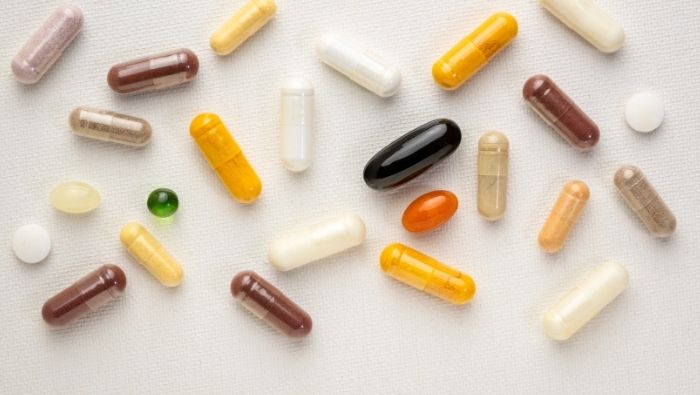
If you have spent any time researching what to take in perimenopause, you have probably encountered an overwhelming and contradictory landscape. Every wellness influencer has a stack to recommend. Every brand has a perimenopause-specific formula. The supplement aisle is bigger than ever. And the marketing promises range from genuinely evidence-based to completely unfounded.
Perimenopause and Hot Flushes: The Metabolic Connection Most Women Don’t Know About
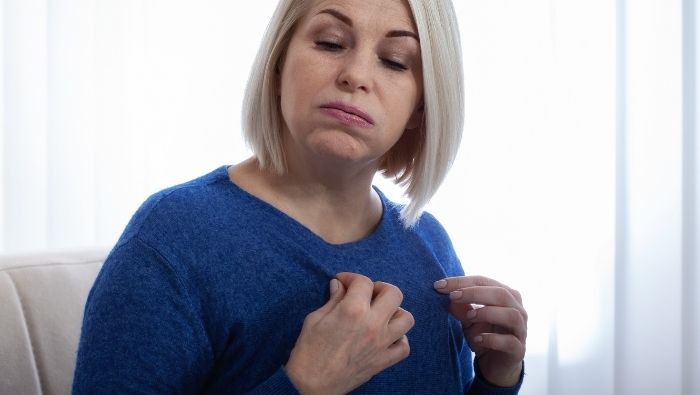
Hot flushes and night sweats are the most universally recognised symptoms of perimenopause. Approximately 75–80% of women experience them at some point in the transition, and for many, they are one of the most disruptive aspects of this decade – affecting sleep, mood, work, social life, and overall sense of wellbeing.
Perimenopause and Exercise: What Works and Why
If you are doing the same kind of exercise you did in your 30s – long cardio sessions, daily classes, pushing yourself harder when results stop coming – and your body is no longer responding the way it used to, this article will explain why.