
Jump to section
Introduction
If you have been told your blood tests are normal while feeling anything but - exhausted, struggling with weight that will not shift, experiencing cravings that feel driven rather than chosen, and operating with energy that crashes predictably throughout the day - there is a clinical explanation that standard testing frequently misses.
Insulin resistance is one of the most common and most consequential metabolic conditions affecting women today. It underlies PCOS in approximately 70–80% of cases. It worsens significantly through the perimenopausal transition as oestrogen declines. It drives fatigue, weight gain, hormonal disruption, anxiety, poor sleep, and cognitive fog through mechanisms that are well-understood - and well-addressed when the right approach is applied.
And yet most women with insulin resistance have never been told they have it. Because standard testing - fasting glucose, HbA1c - can remain normal for years while insulin resistance is silently progressing. Because the symptoms are attributed to stress, ageing, or simply not trying hard enough. And because the clinical conversation about what is actually happening metabolically so rarely takes place.
This guide exists to have that conversation.
What follows is a comprehensive, clinically grounded explanation of insulin resistance - what it is, why women are disproportionately affected, how it drives the conditions and symptoms you may be living with, and what a genuinely effective approach to improving it looks like. Not a list of tips. A complete clinical framework built specifically around the female metabolic experience.
Understanding what is happening in your body is the most powerful starting point available.
Start Here: Reset Your Metabolism
A structured starting point - download our free 7-day metabolic reset guide.
A simple, clinically-informed plan to help stabilise blood sugar, improve metabolism, and reduce common PCOS symptoms.
What insulin resistance actually is - defining the state
Insulin is the hormone produced by the pancreas that allows glucose - the sugar circulating in your bloodstream after you eat - to enter your cells and be used for energy. Insulin resistance is a condition where the body's cells do not respond effectively to insulin.

Think of insulin as a key, and cell surface receptors as the locks it opens. When this system is working well, blood glucose rises after a meal, insulin is released, glucose enters cells efficiently, and blood sugar returns to a stable baseline.
Insulin resistance is what happens when the locks stop responding well to the key.
Cells - particularly in skeletal muscle, fat tissue, and the liver - become less responsive to insulin's signal. The same amount of insulin no longer produces the same effect. The pancreas compensates by producing more insulin, maintaining blood glucose control, but at the cost of chronically elevated insulin levels circulating throughout the body.
This state - hyperinsulinaemia - is not simply a blood sugar problem. Chronically elevated insulin is a hormonal signal with far-reaching effects on every system that has insulin receptors. It promotes fat storage and impairs fat breakdown. It stimulates androgen production in the ovaries. It suppresses the protein that neutralises testosterone. It amplifies inflammatory signalling. It disrupts appetite hormones, sleep, and mood.
The elevated blood sugar comes later - often years later - when the pancreas can no longer fully compensate. This is why fasting glucose and HbA1c can be normal while insulin resistance is already well-established and already driving symptoms. The glucose markers reflect the pancreas's compensatory effort. Fasting insulin reveals what is actually happening underneath.
Insulin resistance is not a blood sugar condition in its early stages.
It is a hyperinsulinaemia condition - a state of chronically elevated insulin driving hormonal, inflammatory, and metabolic disruption throughout the body, often for years before glucose markers shift. This is why so many women experience the symptoms of insulin resistance while being told their tests are normal. The tests being run are the wrong tests for what is actually happening.
Why women are disproportionately affected
Insulin resistance affects both sexes - but the way it develops, the conditions it drives, and the life stages at which it peaks are distinctly different in women. Understanding this female-specific picture is what makes management in women so different from the generic advice so often applied.
The PCOS Connection
PCOS is the most common hormonal condition in women of reproductive age - and insulin resistance is its most significant metabolic driver, present in approximately 70–80% of cases including in lean women with no obvious metabolic risk factors.
In PCOS, insulin resistance and hyperinsulinaemia create a specific hormonal cascade: elevated insulin directly stimulates the ovarian theca cells to produce more testosterone, while simultaneously suppressing SHBG - the protein that binds and neutralises testosterone. The result is elevated free androgen activity driving the symptoms that define the condition: irregular cycles, acne, hair loss, excess hair growth, and the persistent weight and energy difficulties that make PCOS so disruptive to daily life.
This is not an incidental relationship. Insulin resistance is the upstream driver of the hormonal features of PCOS - which is why improving insulin sensitivity produces improvements across the full symptom picture, not just the metabolic markers.
The full picture: PCOS and Insulin Resistance: What's Really Driving Your Symptoms
The Perimenopause Connection
Oestrogen is a direct insulin-sensitising hormone - supporting GLUT4 transporter activity, enhancing insulin receptor sensitivity, and maintaining mitochondrial glucose metabolism efficiency throughout the reproductive years. As oestrogen declines in perimenopause, these insulin-sensitising effects are progressively withdrawn.
The result is measurable worsening of insulin sensitivity - independent of diet, exercise, or any lifestyle factor - as a direct consequence of the hormonal transition. Women who were managing blood sugar adequately at 38 find their body responding differently at 45 not because of what they are doing, but because the hormonal support for insulin sensitivity has changed.
For women who already have insulin resistance from PCOS or other causes, this oestrogen-withdrawal effect compounds an already-compromised metabolic picture - creating the double-hit that explains why so many women in their 40s feel their metabolism has fundamentally shifted.
The full picture: Perimenopause and Insulin Resistance: Why Blood Sugar Changes in Your 40s
The HPA Axis and Female Stress Physiology
Women demonstrate different HPA axis stress responses than men - with higher cortisol reactivity in certain contexts and stronger inflammatory responses to psychological stressors. Since cortisol is a direct driver of insulin resistance - raising blood glucose through hepatic gluconeogenesis and impairing cellular glucose uptake - the female stress response physiology creates specific metabolic vulnerability.
This is compounded in conditions where HPA axis dysregulation is already present - particularly PCOS, where altered cortisol patterns are a documented feature of the condition, and perimenopause, where oestrogen's buffering of HPA axis reactivity is progressively removed.
The Symptom Presentation Is Different
Insulin resistance in women frequently presents differently from the classic metabolic syndrome picture more commonly described in men. Women are more likely to present with:
- Fatigue and low energy as primary complaints rather than obvious blood sugar symptoms
- Weight gain concentrated in the abdomen after years of a different body shape
- Mood changes, anxiety, and cognitive symptoms that are attributed to psychological causes
- Hormonal symptoms - irregular cycles, androgenic skin and hair changes - that are attributed to PCOS without the metabolic root being investigated
- Normal fasting glucose with significantly elevated fasting insulin - a pattern that standard screening consistently misses
How insulin resistance develops
Insulin resistance rarely develops from a single cause. It typically emerges gradually from the interaction of several overlapping drivers - which is also why addressing any single factor in isolation rarely produces the results that addressing the full picture achieves.
Dietary patterns that drive chronic insulin demand
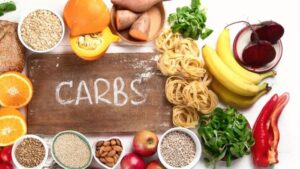
Regular consumption of rapidly digested carbohydrates - refined sugars, processed grains, high-glycaemic foods eaten without protein or fat to slow absorption - creates repeated post-meal glucose spikes that demand large insulin responses. Over years, the chronic insulin demand of this dietary pattern gradually reduces cellular insulin receptor sensitivity.
This is not about carbohydrates being inherently harmful. It is about the insulin load created by how and what carbohydrates are eaten - which is why dietary structure matters as much as dietary composition.

Chronic stress and cortisol elevation
Cortisol raises blood glucose by stimulating hepatic gluconeogenesis - the liver manufacturing and releasing glucose into the bloodstream. This is a designed emergency response, appropriate and effective in acute stress. The problem arises when stress is chronic - when cortisol is being elevated repeatedly by daily psychological pressure, poor sleep, under-eating, over-exercising, or the physiological stress of an underlying inflammatory condition.
Chronically elevated cortisol means chronically elevated glucose stimulation, chronically elevated insulin response, and progressively worsening insulin sensitivity. This is one of the most important and most under-addressed drivers of insulin resistance in women - and one of the reasons that dietary intervention alone, without managing stress physiology, so often produces partial results.
Full detail: Cortisol and PCOS: The Stress–Blood Sugar Connection

Poor sleep
Even partial sleep deprivation - five to six hours rather than seven to nine - measurably reduces insulin sensitivity, elevates cortisol, disrupts the appetite hormones ghrelin and leptin, and impairs cellular glucose uptake. These effects begin with a single poor night and compound with chronic sleep disruption.
In conditions where sleep disruption is prevalent - PCOS, perimenopause - the metabolic consequences of poor sleep contribute to and maintain insulin resistance independently of dietary factors. Women who are doing everything right with food and still not seeing results are frequently the women whose sleep is quietly undermining their metabolic efforts.
Full detail: PCOS and Sleep: Why Poor Sleep Worsens Insulin Resistance

Chronic low-grade inflammation
Inflammatory cytokines - particularly TNF-α and IL-6 - directly impair insulin receptor signalling at a molecular level, blocking the intracellular cascade that allows glucose to enter cells. This means that a chronically inflamed metabolic environment actively maintains insulin resistance regardless of dietary approach.
Chronic inflammation in PCOS and perimenopause is driven by multiple simultaneous sources: visceral fat, gut dysbiosis, elevated androgens, poor sleep, and cortisol - creating an inflammatory burden that compounds and sustains insulin resistance from multiple directions.
Full detail: PCOS and Inflammation: The Hidden Driver Behind Your Symptoms

Gut dysbiosis
The gut microbiome directly influences insulin sensitivity through short-chain fatty acid production, intestinal permeability regulation, and the systemic inflammatory signalling that dysbiosis drives when the gut barrier is compromised. Women with PCOS demonstrate measurably altered microbiome composition - and the resulting systemic inflammation contributes to insulin resistance through the leaky gut pathway.
Full detail: PCOS and Gut Health: How Your Microbiome Affects Your Hormones and Metabolism

Reduced muscle mass
Skeletal muscle is the primary site of insulin-mediated glucose disposal - accounting for approximately 80% of post-meal glucose uptake. Less muscle mass means less capacity to absorb glucose from the bloodstream, directly worsening insulin sensitivity. Muscle loss accelerates in perimenopause as oestrogen and progesterone decline, and is exacerbated by chronic cortisol elevation and inadequate dietary protein - both common features of the PCOS and perimenopausal metabolic picture.
Insulin resistance is almost never caused by a single factor
Insulin resistance is almost never caused by a single factor - which is why single-factor interventions so rarely produce lasting results. The most effective approach identifies which combination of drivers is most prominent in your individual picture - dietary pattern, cortisol, sleep, inflammation, hormonal condition, muscle mass - and addresses them systematically rather than sequentially. This is the difference between managing and genuinely improving.
What insulin resistance looks and feels like
Insulin resistance does not announce itself obviously. Its symptom profile is broad, non-specific, and easily attributed to other causes - which is one of the primary reasons it goes unrecognised for so long.
The most characteristic daily experience of insulin resistance involves the blood sugar cycle: blood glucose rises after eating, a larger-than-necessary insulin response clears it, blood sugar drops below a comfortable baseline, and cortisol and adrenaline are released to correct the drop - producing anxiety-like physical symptoms, urgent hunger, and a compelling need for carbohydrates, before the cycle repeats.
Lived daily, this cycle produces a recognisable pattern:
Energy that is unreliable and time-dependent. Energy crashes mid-morning around 10am and mid-afternoon around 3–4pm are characteristic of the blood sugar cycling pattern - the timing maps the glucose and insulin dynamics of the preceding meal, not the workload of the day.
Cravings that feel physiological rather than psychological. The urgent need for sugar or carbohydrates in the afternoon, the feeling that you could eat again an hour after a full meal, the specific pull toward high-carbohydrate foods under stress - these are driven by glucose and insulin dynamics, not by appetite in the conventional sense.
Abdominal weight that is resistant to standard approaches. Chronically elevated insulin actively promotes fat storage in visceral and abdominal depots and impairs fat breakdown - creating a fat distribution pattern that does not respond to caloric restriction alone because the hormonal driver of storage has not been addressed.
Fatigue that sleep does not fully resolve. When cells are not absorbing glucose efficiently, the brain and body receive less stable fuel - producing a baseline fatigue that is metabolic in origin and does not fully resolve with rest.
Brain fog and cognitive symptoms. The brain is an insulin-sensitive organ. Impaired brain glucose metabolism from insulin resistance produces the cognitive symptoms - difficulty concentrating, word-finding difficulties, reduced mental sharpness - that many women attribute to stress or ageing.
Mood and anxiety symptoms. Blood sugar instability generates adrenal responses - cortisol and adrenaline surges to correct falling glucose - that are physically indistinguishable from anxiety. For women experiencing generalised or time-specific anxiety without an obvious psychological cause, blood sugar instability is a mechanism worth investigating.
PCOS and Anxiety: The Hormonal Connection Most Women Don't Know About
How insulin resistance drives PCOS symptoms
In PCOS, insulin resistance is not simply a metabolic complication - it is the primary hormonal driver of most of the condition's defining features.
Androgen excess.
Elevated insulin directly stimulates ovarian theca cells to produce more testosterone and androstenedione. It also suppresses SHBG - the protein that binds and neutralises free testosterone - maximising the androgenic activity reaching receptors in the skin, hair follicles, and sebaceous glands.
This is the mechanism behind PCOS acne, hair thinning, and excess hair growth. Topical and hormonal treatments manage these symptoms at the surface. Improving insulin sensitivity addresses them at the source.
Anovulation and irregular cycles.
Elevated insulin disrupts the LH/FSH balance that governs follicle development and ovulation - producing the chronic anovulation that generates irregular cycles, absent progesterone, and the downstream consequences of progesterone deficiency for mood, sleep, and anxiety.
PCOS and Irregular Periods: What Your Cycle Is Really Telling You
Weight gain and resistance to weight loss.
Chronically elevated insulin promotes fat storage and impairs fat breakdown - creating the hormonal headwind against which dietary restriction alone so consistently fails in PCOS.
Learn more about PCOS and your metabolism
The complete picture of how insulin drives the PCOS metabolic loop: PCOS and Metabolism: The Complete Guide
How insulin resistance worsens in perimenopause
For women without PCOS who have managed their metabolic health reasonably well through their reproductive years, perimenopause often represents the first significant encounter with insulin resistance - because oestrogen's insulin-sensitising effects have been quietly compensating for whatever degree of underlying metabolic vulnerability existed.
Go Deeper - Related Guides
Perimenopause and insulin resistance →
Why your blood sugar changes
PCOS After 40 →
When PCOS and perimenopause start to overlap
Perimenopause and metabolism →
The complete guide
Need Personalised Guidance?
Insulin resistance isn't generic - your plan shouldn't be either.
Book a 40-min 1:1 Health Strategy Session with a clinical nutritionist.
Evidence-based management: what actually works
The most important thing to understand about insulin resistance is that it is highly responsive to targeted intervention. It is not a fixed state. Meaningful improvement is achievable at any stage - and the effects of that improvement cascade across every condition and symptom it was driving.
Dietary structure: the foundation
The most impactful dietary shift is not a particular diet - it is building a dietary pattern that reduces the chronic insulin demand placed on an already-compromised system while providing the nutritional building blocks for metabolic recovery.
In practice this means:
- Lead every meal with protein - adequate protein intake (1.4–2.0g per kilogram of body weight daily) reduces post-meal glucose response, supports muscle mass maintenance, and is the most consistently impactful dietary lever for insulin sensitivity
- Never eat carbohydrates alone - always pair with protein, fat, and fibre to slow glucose absorption and reduce the amplitude of the post-meal insulin response
- Choose lower-glycaemic carbohydrate sources - non-starchy vegetables, legumes, wholegrains over refined carbohydrates and sugars
- Eat at regular intervals - going more than four to five hours without eating drives blood sugar drops that activate cortisol responses, worsening the insulin resistance cycle
- Consider meal sequencing - eating vegetables and protein before the carbohydrate portion of a meal reduces post-meal glucose response by up to 30% through a simple mechanical mechanism
Go Deeper - Related Guides
Best diet for PCOS and insulin resistance →
Stabilising blood sugar and improving how your body responds to insulin
Best breakfast for PCOS and insulin resistance →
Why your first meal of the day is the most important metabolic lever you have
How to balance blood sugar with PCOS →
Stable blood sugar is the foundation of stable hormones, energy, and metabolism.
PCOS insulin resistance meal plan →
“What should I actually eat each day?”
Exercise: resistance training as metabolic medicine
Exercise is one of the most powerful insulin-sensitising interventions available - but type and volume matter significantly.
Resistance training is the most evidence-backed modality - directly improving insulin sensitivity by increasing muscle mass and GLUT4 transporter density, and producing measurable reductions in fasting insulin within weeks of consistent training. Two to four sessions per week with progressive overload over time is the most clinically supported approach.
Daily walking at a comfortable pace is anti-inflammatory, activates muscle glucose uptake without meaningfully elevating cortisol, and compounds the benefits of resistance training rather than competing with them. A ten to fifteen minute walk after meals specifically reduces post-meal glucose response - one of the simplest and most evidence-backed daily habits available.
High-intensity exercise at excessive frequency can worsen insulin resistance indirectly through cortisol elevation - a counterintuitive but clinically important consideration for women with PCOS and perimenopausal women whose HPA axis is already under strain.
Go Deeper - Related Guides
PCOS and exercise →
What type, how much, and why more isn't better
Sleep as a Non-Negotiable
Consistently adequate sleep is a direct insulin-sensitising intervention - not a general wellness recommendation. The mechanisms are concrete: sleep normalises cortisol rhythm, restores appetite hormone balance, reduces inflammatory markers, and directly supports cellular insulin receptor sensitivity. Prioritising sleep is metabolic work.
Go Deeper - Related Guides
PCOS and sleep →
Why poor sleep worsens insulin resistance
Managing cortisol and stress
Because chronic cortisol elevation is both a cause and a consequence of insulin resistance, HPA axis regulation is a clinical priority in insulin resistance management. Diaphragmatic breathing, appropriately dosed exercise, consistent sleep, and targeted adaptogenic supplementation all produce measurable effects on cortisol and downstream insulin sensitivity.
Go Deeper - Related Guides
Cortisol and PCOS →
The stress–blood sugar connection
Gut health support
Supporting gut microbiome diversity - through dietary fibre variety, fermented foods, and targeted probiotic strains - directly improves insulin sensitivity through short-chain fatty acid production and reduction of the gut-driven inflammatory load that impairs insulin signalling.
Go Deeper - Related Guides
PCOS and gut health →
How your microbiome affects your hormones and metabolism
Targeted supplementation
Several supplements have specific and well-replicated evidence for improving insulin sensitivity:
Inositol (myo-inositol and D-chiro-inositol 40:1 combination) - the most evidence-backed supplement for insulin sensitisation in PCOS specifically, with multiple randomised controlled trials demonstrating reductions in fasting insulin, improvements in SHBG, and restoration of ovulation.
Magnesium glycinate - deficiency is common in insulin-resistant women due to increased urinary excretion; correction directly improves insulin receptor function and reduces inflammatory markers.
Omega-3 fatty acids - reduce the inflammatory burden that impairs insulin signalling, with specific evidence for lowering fasting insulin and testosterone in PCOS.
Berberine - evidence for insulin sensitisation comparable to metformin in several trials; appropriate where dietary and lifestyle approaches have been insufficient, with clinical supervision.
Vitamin D - correction of deficiency (highly prevalent in women with PCOS and insulin resistance) produces measurable improvements in insulin sensitivity and inflammatory markers.
Go Deeper - Related Guides
PCOS supplements →
Evidence-graded supplement guide

Can insulin resistance be improved?
Yes - and this is worth stating clearly, because the experience of insulin resistance can feel so entrenched and so resistant to effort that many women have stopped believing improvement is possible.
Insulin resistance is not a fixed state. It is a dynamic physiological condition that responds to the right inputs - often meaningfully and relatively quickly when those inputs are well-targeted. Fasting insulin can show measurable improvement within weeks of consistent dietary change. Inflammatory markers shift within months. Hormonal consequences - cycle regularity, androgen-driven symptoms, mood and energy - follow as the hormonal environment progressively improves.
The timeline is honest: meaningful change in insulin resistance operates on a scale of months, not days. But the trajectory of improvement, once established, tends to be self-reinforcing - because improving insulin sensitivity reduces the hyperinsulinaemia that was driving inflammation, which reduces the inflammatory load that was impairing insulin signalling, which further improves insulin sensitivity.
The direction of the feedback loop can be reversed. Getting it moving in the right direction is what consistent, targeted metabolic management achieves.
The signs your approach is working
Because insulin resistance is invisible - you cannot feel your insulin levels directly - knowing what to look for as evidence of improvement is practically important.
The earliest signs typically appear within two to four weeks of consistent dietary and lifestyle change:
- More stable energy - fewer crashes, less reliance on caffeine and sugar to maintain function through the day
- Reduced cravings - the urgency around sugar and carbohydrates diminishes as blood sugar stability improves
- Better sleep onset - falling asleep more easily as evening cortisol begins to normalise
- Less post-meal fatigue - the afternoon slump reducing as post-meal glucose spikes and crashes become less pronounced
Over two to four months:
- Body composition changes - clothes fitting differently around the waist and abdomen as visceral fat begins to respond to reduced insulin signalling
- Improved cycle regularity in women with PCOS - one of the most meaningful indicators of improving insulin and hormonal environment
- Skin improvements - reduction in inflammatory acne lesions as androgen production decreases with improving insulin sensitivity
- Mood and anxiety improvements - as blood sugar stability reduces adrenal responses and neuroinflammation decreases
On retesting at three to six months:
- Falling fasting insulin - toward the optimal range below 10 mIU/L
- Rising SHBG - indicating reduced free androgen activity
- Falling triglycerides and rising HDL - the lipid markers most sensitive to insulin resistance improvement
- Reducing hs-CRP - reflecting declining systemic inflammatory load
Retest your key metabolic markers - fasting insulin, fasting triglycerides, SHBG, and hs-CRP - at three to six months after beginning a targeted approach. These numbers tell you what the scale and the mirror cannot: whether your internal metabolic environment is genuinely shifting. Objective data is motivating in a way that subjective tracking alone cannot sustain - and it tells you precisely where to adjust if progress in a particular area is slower than expected.
Continue reading: insulin resistance across the metabolic health ecosystem
Insulin resistance is the mechanistic thread that runs through both primary content pillars on this site. The articles below explore how it develops, what it drives, and how it is addressed across the full range of conditions and symptoms it affects.
Understanding the Mechanisms
- PCOS and Insulin Resistance: What's Really Driving Your Symptoms
- High Insulin and PCOS: Why It Disrupts Hormones
- Signs of Silent Insulin Resistance in Women
- Cortisol and PCOS: The Stress–Blood Sugar Connection
- PCOS and Inflammation: The Hidden Driver Behind Your Symptoms
- PCOS and Gut Health: How Your Microbiome Affects Your Hormones
- PCOS and Sleep: Why Poor Sleep Worsens Insulin Resistance
Insulin Resistance and PCOS Symptoms
- Why PCOS Causes Weight Gain
- Why You're Not Losing Weight with PCOS
- PCOS Cravings: Why You Crave Sugar and Carbs
- Why You Feel Tired After Eating with PCOS
- PCOS and Irregular Periods: What Your Cycle Is Really Telling You
- PCOS and Acne: Why It Keeps Coming Back
- PCOS and Hair Loss: Why It Happens and How to Slow It Down
- PCOS and Anxiety: The Hormonal Connection
- PCOS Bloating: Causes and What Actually Helps
- Insulin Resistance and Fatty Liver in Women: The Hidden Connection
Insulin Resistance and Perimenopause
- Perimenopause and Insulin Resistance: Why Blood Sugar Changes in Your 40s
- Perimenopause and Weight Gain: What's Actually Happening
- Perimenopause and Sleep: Why You Can't Sleep and What Actually Helps
- PCOS After 40: When PCOS and Perimenopause Start to Overlap
Evidence-Based Solutions
- Best Diet for PCOS and Insulin Resistance
- Best Breakfast for PCOS and Insulin Resistance
- How to Balance Blood Sugar with PCOS
- 7-Day PCOS Insulin Resistance Meal Plan
- PCOS and Exercise: What Type, How Much, and Why More Isn't Better
- PCOS Supplements: What the Evidence Actually Says
The Complete Pillar Guides
Clinical insight
Insulin resistance is now recognised as one of the most prevalent and most consequential metabolic conditions in women of reproductive and perimenopausal age - present in 70–80% of women with PCOS, worsening measurably through the perimenopausal transition as oestrogen declines, and driving a symptom picture that spans hormonal, metabolic, cognitive, and psychological domains.
The mechanisms are well-characterised:
hyperinsulinaemia drives androgen production, suppresses SHBG, amplifies inflammatory signalling, promotes visceral fat accumulation, and disrupts the hormonal axes governing cycle regularity, mood, sleep, and cognitive function.
Standard screening - fasting glucose and HbA1c - consistently misses insulin resistance in its early and middle stages by measuring the compensated output rather than the underlying condition.
Fasting insulin is the clinically appropriate primary marker. And insulin resistance, once identified, is highly responsive to targeted nutritional, lifestyle, and clinical intervention - with improvements in fasting insulin producing measurable downstream improvements across the full range of conditions it drives.
Working with an incomplete metabolic model - treating PCOS or perimenopausal symptoms without addressing the insulin resistance underpinning them - produces consistently incomplete results.
When to seek clinical support
The foundational strategies in this guide - dietary structure, resistance training, sleep, cortisol management, targeted supplementation - can produce meaningful improvements in insulin resistance for many women without clinical intervention. The resources throughout this site provide the framework to begin.
There are circumstances, however, where personalised clinical support produces outcomes that self-directed management cannot.
Consider working with a clinician who understands the metabolic side of insulin resistance if:
- Your fasting insulin is significantly elevated and dietary and lifestyle approaches alone have not produced adequate improvement after three to six months of consistent effort
- You have PCOS and the combination of insulin resistance and hormonal features requires an integrated clinical approach
- You are in perimenopause and experiencing significant metabolic disruption that requires assessment of both the insulin resistance and hormonal transition simultaneously
- You want a personalised protocol built around your individual blood chemistry rather than general principles
- You are preparing for conception and want to optimise insulin sensitivity and the hormonal environment preconceptually
Ready to address insulin resistance at its root?
In my clinical practice, I specialise in the clinical assessment and management of insulin resistance in women - understanding the full metabolic picture behind the symptoms rather than managing each symptom in isolation.
Our flagship programme is Metabolic Balance® - an individually prescribed nutrition protocol built around your specific blood chemistry, designed to recalibrate insulin sensitivity, reduce inflammatory load, and restore the hormonal balance that insulin resistance has been disrupting.
Unlike generic low-carbohydrate or calorie-restriction approaches, Metabolic Balance addresses the metabolic environment that is maintaining your insulin resistance - producing changes that are durable because they work at the hormonal root rather than the symptomatic surface.
Women working through the programme consistently report improvements across the full picture that insulin resistance drives - energy, cycle regularity, skin, body composition, mood, sleep, and measurable improvements in fasting insulin and inflammatory markers - as the metabolic environment progressively shifts.
In-clinic and remote consultations available. If you are ready to stop managing symptoms and start addressing the metabolic cause, we would love to work with you.
Start Improving Your Metabolic Health Today
Not ready for a full programme yet? Start with the reset.
The 7-Day Metabolic Reset is a free, clinically grounded guide designed specifically for women with insulin resistance - whether from PCOS, perimenopause, or both. It covers blood sugar stabilisation, anti-inflammatory nutrition principles, cortisol support, and practical daily strategies in a coherent seven-day framework.
Inside, you will find:
- How to structure your meals to reduce insulin demand and stabilise blood sugar
- The key dietary and lifestyle drivers of insulin resistance - and how to address them
- Practical steps you can begin immediately without overhauling everything at once
Clinically grounded. No gimmicks. A genuine starting point for working with your metabolism rather than against it.