
Articles & Metabolic Health Insights
Understand the root causes of health concerns through evidence-based articles focused on PCOS, metabolism, hormones, and insulin resistance.
Browse topics below to find what’s most relevant to your symptoms.
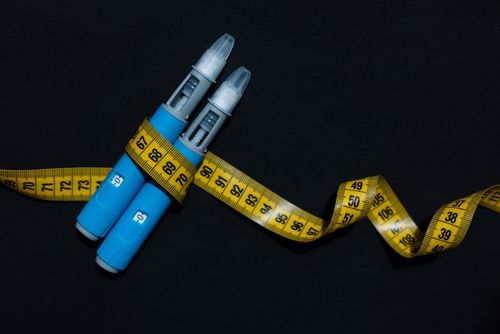
Natural Alternatives to Ozempic® and Mounjaro®: What Actually Works for PCOS and Perimenopause
If you’ve watched the headlines about Ozempic and Mounjaro and wondered whether there’s a natural way to get similar results – without the injections, the cost, or the uncertainty about long-term use – you’re asking a sensible question, and you’re far from alone. The key is understanding what actually works versus what’s just clever marketing.

PCOS Is Now PMOS: What the Name Change Means for You
If you’ve seen headlines saying PCOS has a new name – or your practitioner has started using an unfamiliar term – you haven’t missed a new diagnosis or a change to your condition. In a landmark decision, polycystic ovary syndrome (PCOS) has officially been renamed polyendocrine metabolic ovarian syndrome (PMOS). It’s the same condition you already know. What’s changed is the name – and the change matters more than it might first appear, because of why it happened.

Lean PCOS: When You’re a Normal Weight but Still Have PCOS
Most of what’s written about PCOS assumes you’re carrying extra weight. So if you’re a normal weight – and yet you’re bloated much of the time, low on energy, and increasingly just don’t feel like yourself – you can end up in a confusing place. You might have PCOS on paper, but none of the standard advice seems written for you. Or you might suspect something is wrong and have been reassured that, because your weight is fine, it probably isn’t.

Your Blood Tests Came Back “Normal” but You Still Feel Awful – Here’s Why
You did everything right. You noticed you weren’t feeling like yourself – tired, foggy, gaining weight, just off – so you booked the blood test, fasted, showed up, and waited. Then came the call: “Everything’s come back normal. You’re fine.”
If your blood tests are “normal” but you feel anything but, there is almost always a real, identifiable reason – and understanding it is the first step to doing something about it. The problem usually isn’t that nothing is wrong. It’s that the standard tests weren’t designed to find what’s actually happening.
Why Am I Gaining Weight When Nothing Has Changed?
You’re eating the way you always have. You haven’t changed your exercise. Nothing about your life looks different on paper. And yet the scale keeps creeping up, your clothes fit differently, and your body feels like it’s behaving according to rules nobody told you about. This article explains what’s actually happening, why it happens to women in particular, and – most importantly – why the usual advice to “eat less and move more” often makes it worse rather than better.
Am I Insulin Resistant? How to Tell (Even When Your Bloods Are “Normal”)
If you’ve landed here, something is probably already telling you that your body isn’t working the way it used to. Weight that won’t shift no matter what you try. Energy that crashes after meals. Cravings you can’t seem to control. A nagging sense that something metabolic is off – even though you’ve been told your blood tests are “normal.” This article will help you do three things: recognise the signs of insulin resistance specific to women, understand why your GP’s blood tests may have missed it, and know exactly which markers to ask for if you want a clear answer.
How to Reverse Insulin Resistance Naturally
If you’ve been told to “eat less and move more” to fix your insulin resistance – and it hasn’t worked – you’re not doing it wrong. The problem is that the advice was never designed for you. This article covers what the research actually shows about reversing insulin resistance naturally, why women need a different approach, and what to prioritise first.

Perimenopause and Fatigue: Why You’re So Tired and What Actually Helps
If you are tired in a way you have never been tired before – a depleted, heavy, persistent exhaustion that does not lift with sleep, that follows you through tasks that used to feel effortless, that makes you feel like a different person from who you were five years ago – you are not alone, and you are not imagining the change.

Perimenopause and Mood: Why You Feel Different – and What’s Actually Happening
If you have started feeling like a different person in your 40s – more irritable, more tearful, more flat, more reactive, less resilient, less recognisable to yourself – and you cannot fully explain why, this article is for you.
The mood changes of perimenopause are one of the least discussed and most disorienting aspects of this transition. Women describe feeling unfamiliar to themselves. Crying without obvious reason. Snapping at people they love. Losing pleasure in things that used to bring joy. Feeling flat where they used to feel engaged. Experiencing rage that surprises them. Carrying a low-grade sadness that does not quite reach the threshold of depression but does not lift either.
Most of these experiences are dismissed – by doctors, by family, by women themselves – as stress, midlife crisis, hormonal moodiness, or simply the demands of a busy life.
Perimenopause Supplements: What the Evidence Actually Says
If you have spent any time researching what to take in perimenopause, you have probably encountered an overwhelming and contradictory landscape. Every wellness influencer has a stack to recommend. Every brand has a perimenopause-specific formula. The supplement aisle is bigger than ever. And the marketing promises range from genuinely evidence-based to completely unfounded.

Perimenopause and Hot Flushes: The Metabolic Connection Most Women Don’t Know About
Hot flushes and night sweats are the most universally recognised symptoms of perimenopause. Approximately 75–80% of women experience them at some point in the transition, and for many, they are one of the most disruptive aspects of this decade – affecting sleep, mood, work, social life, and overall sense of wellbeing.

Perimenopause and Exercise: What Works and Why
If you are doing the same kind of exercise you did in your 30s – long cardio sessions, daily classes, pushing yourself harder when results stop coming – and your body is no longer responding the way it used to, this article will explain why.

Perimenopause and Inflammation: Why Your Body Feels Different and What Actually Helps
If your body simply feels different in your 40s than it did a decade ago – achier, more reactive, slower to recover, more inflamed in ways you cannot quite articulate – there is a specific clinical reason, and it is one that almost no one talks about openly.
Chronic low-grade inflammation rises significantly in perimenopause.
Perimenopause and Brain Fog: The Cognitive Changes Explained
Introduction If you have started forgetting words mid-sentence, walking into rooms and forgetting why you went in, struggling to concentrate on tasks that used to feel effortless, or losing track of conversations in a way that feels qualitatively different from before...
The Best Diet for Perimenopause and Metabolic Health
If you are looking for a clear, practical answer to what you should actually be eating in perimenopause – without another restrictive plan, another set of foods to avoid forever, or another diet that worked for someone else and is supposed to work for you – this is the article that will give you the framework. Because here is the honest truth: there is no single perfect perimenopause diet.