
Articles & Metabolic Health Insights
Understand the root causes of health concerns through evidence-based articles focused on PCOS, metabolism, hormones, and insulin resistance.
Browse topics below to find what’s most relevant to your symptoms.
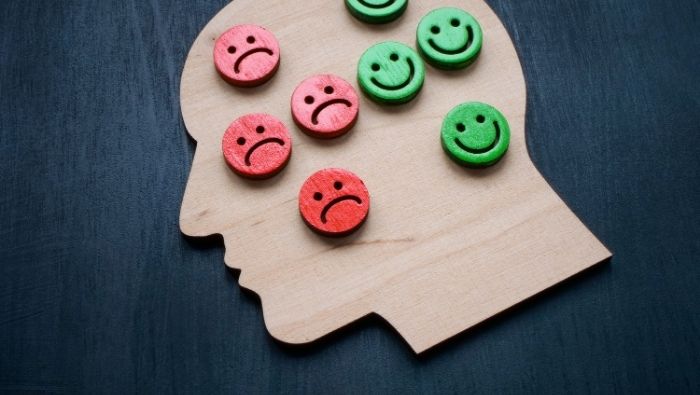
Perimenopause and Anxiety: The Hormonal Connection Most Women Don’t Know About
If anxiety has appeared in your 40s – or significantly intensified after years of being relatively manageable – and you cannot point to anything in your life that fully explains it, you are not alone, and you are not imagining it. This is one of the most common and most distressing experiences of perimenopause.

Perimenopause and Cortisol: Why Stress Hits Harder in Your 40s
If you have noticed that stress hits you harder than it used to – that small things tip you over more easily, that you feel less resilient, that the recovery from a difficult day takes longer than it should – you are not imagining it. This is one of the most common experiences of perimenopause, and one of the least adequately explained.
Perimenopause Symptoms: The Complete Guide to What’s Normal and What Needs Attention
Perimenopause produces one of the broadest symptom profiles of any hormonal transition – affecting sleep, mood, cognition, metabolism, skin, joints, digestion, and sexual health, often simultaneously. This breadth is part of why it is so frequently missed or misattributed.
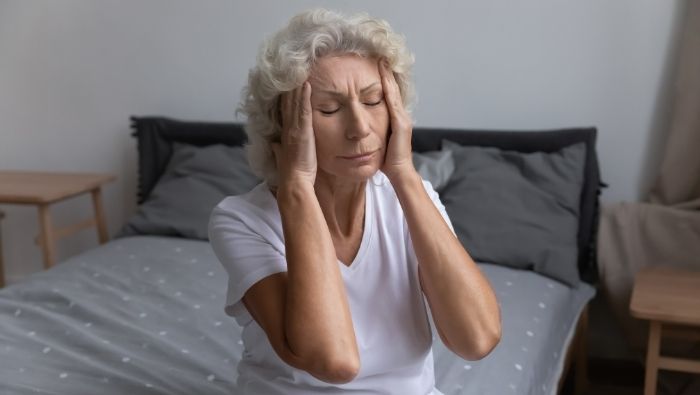
Perimenopause and Sleep: Why You Can’t Sleep and What Actually Helps
If your sleep has changed in your 40s – if you are lying awake when you never used to, waking at 3am for no obvious reason, drenched in sweat at 2am, or simply not feeling rested no matter how many hours you spend in bed – this is one of the most important articles you will read.
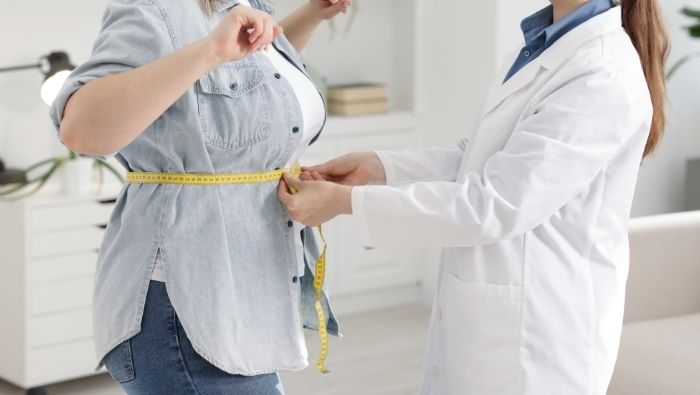
Perimenopause and Weight Gain: What’s Actually Happening
If you are in your 40s and your body has started changing in ways that feel completely disconnected from what you are eating or how much you are exercising – you are not alone, and you are not imagining it.
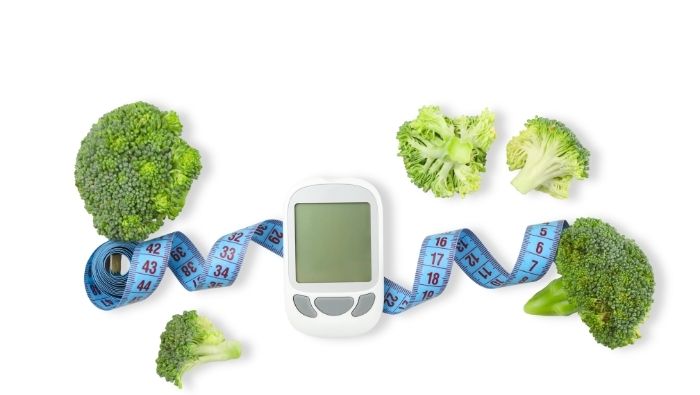
Perimenopause and Insulin Resistance: Why Your Blood Sugar Changes in Your 40s
You are eating the way you always have. Your exercise habits have not dramatically changed. And yet your body is responding differently – weight is accumulating around your middle in a way it never did before, your energy is less reliable, and the afternoon slump that used to be manageable now feels genuinely disruptive.
What Is Perimenopause? Symptoms, Timeline, and What to Expect
For many women, perimenopause does not announce itself clearly. It creeps in quietly – a sleep pattern that shifts, a mood that feels harder to manage, a waistline that stops responding the way it used to, periods that become unpredictable after years of reliability.
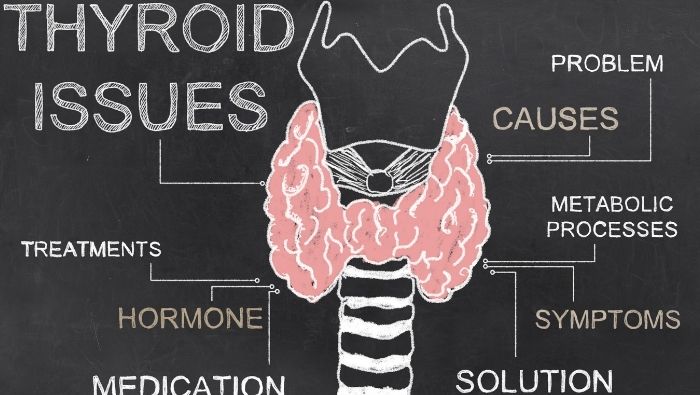
Why Do So Many Women With PCOS Also Have Hashimoto’s?
If you have PCOS and you’ve also been diagnosed with an underactive thyroid – or Hashimoto’s specifically – you might have assumed it was bad luck to have two separate conditions at once. It usually isn’t. PCOS and thyroid problems overlap far more often than chance would predict, and there’s a real, identifiable reason why.

PCOS and Anxiety: The Hormonal Connection Most Women Don’t Know About
Anxiety is one of the most common but least-discussed PCOS symptoms. Here’s why PCOS causes anxiety at a physiological level – and what addressing the metabolic root actually does for your mental health.
PCOS and Irregular Periods: What Your Cycle Is Really Telling You
For many women, an irregular or absent period is the first sign that something is wrong – the symptom that eventually leads to a PCOS diagnosis. And yet, once that diagnosis is made, the explanation often stops there.
“Irregular periods are part of PCOS.” Full stop.
What is rarely explained is why PCOS disrupts the menstrual cycle, what is happening hormonally during those long, unpredictable cycles, what it means metabolically when ovulation is absent, and – most importantly – what actually happens to cycle regularity when the underlying metabolic drivers are addressed.
PCOS After 40: When PCOS and Perimenopause Start to Overlap
Introduction If you have been managing PCOS for years - understanding your body, learning your patterns, building an approach that mostly works - and you have recently noticed that something has shifted, you are not imagining it. Maybe your cycles, which had become...
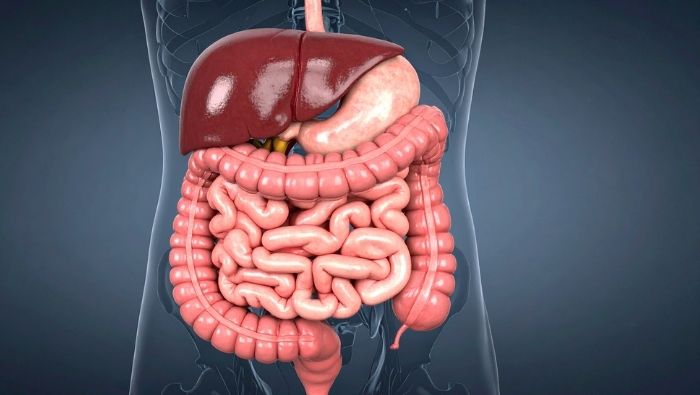
PCOS and Gut Health: How Your Microbiome Affects Your Hormones and Metabolism
Gut health has become one of the most talked-about topics in wellness – and like most things that reach that level of cultural saturation, the signal has become difficult to separate from the noise.
But underneath the oversimplification and the probiotic marketing, there is genuinely important science.
PCOS Supplements: What the Evidence Actually Says
Introduction If you have PCOS and you've spent any time researching supplements, you've likely encountered an overwhelming and often contradictory landscape. Every wellness account has a stack to recommend. Every brand has a PCOS formula. And the advice ranges from...
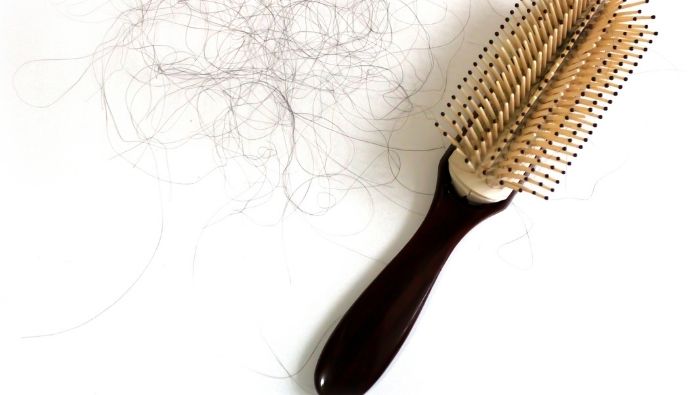
PCOS and Hair Loss: Why It Happens and How to Slow It Down
Hair loss is one of the most distressing symptoms a woman with PCOS can experience – and one of the least adequately addressed in standard care.
If you’ve noticed your hair thinning at the crown, your parting widening, more hair than usual on your pillow or in the shower drain, or a general loss of the density your hair once had – and you’ve been told there’s not much to be done beyond minoxidil or waiting – this article is for you.
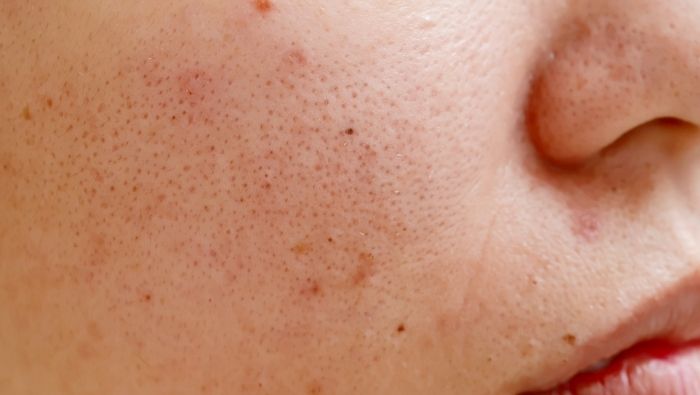
PCOS and Acne: Why It Keeps Coming Back (and What Actually Helps)
If you have PCOS and acne, there is a very good chance you have spent years treating your skin without anyone adequately treating the reason your skin is breaking out in the first place.
Topical creams. Antibiotics. Hormonal contraceptives. Perhaps even Roaccutane. Each one may have worked – for a while – and then stopped, or required ongoing use just to maintain results. The moment you stopped, the acne came back.
This is not a skin problem. It is a hormonal and metabolic problem that shows up on your skin.